


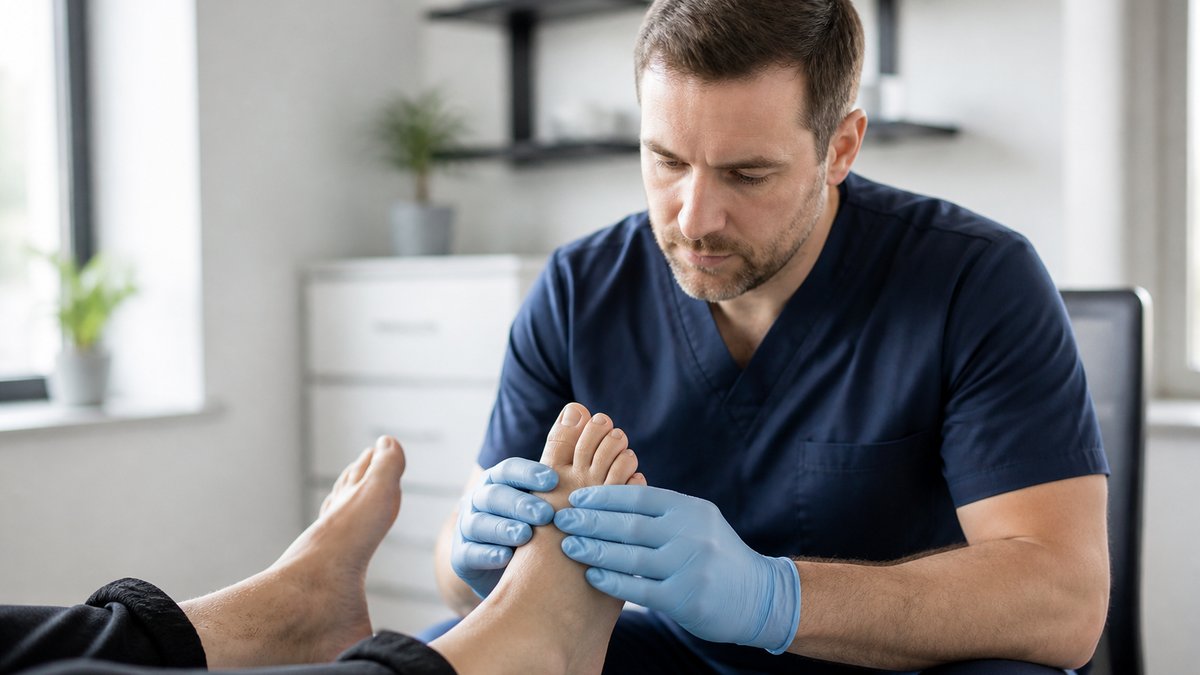

Ingrown toenails are a common foot condition that can affect people of all ages and activity levels. It most often develops on the big toe, but any toenail may be involved. Many individuals first notice tenderness along one side of the nail, which can progress to redness, swelling, or discomfort when wearing shoes. Learning which management approaches are available may help you recognize the condition early and make informed decisions about your care.
What Are Ingrown Toenails?
Ingrown toenails occur when the edge or corner of a nail grows into the skin that borders it. As the nail continues to press inward, the area may become swollen and sensitive. The skin will begin to grow over the nail edge; the area can also show signs of infection, such as drainage, warmth, or spreading redness.
What Causes Them?
Several factors can contribute to an ingrown toenail, and more than one factor is often involved. Trimming nails too short or rounding the corners is a common cause, encouraging the nail to grow into the skin. Other common contributors include:
- Shoes or socks that compress the toes
- Injury to the toe, such as stubbing it or dropping a heavy object on it
- Nails or toes that are abnormally shaped, a trait that may run in families
Activity level can also influence how often the condition appears. People who participate in running, soccer, dance, or other activities that place repeated stress on the toes may notice ingrown toenails more frequently.
How Do You Manage Them?
Management depends on the severity of the condition and whether signs of infection are present. For mild cases, some people find that basic home care helps reduce discomfort while the nail grows out. This can include soaking the foot in warm water a few times per day; the area should be thoroughly dried afterward. Attempting to dig out or cut the ingrown portion of the nail at home is generally discouraged, as this may irritate the tissue further or introduce bacteria into the area. When home care does not lead to improvement, or when symptoms worsen, a podiatrist can evaluate the toe and discuss available options. Care depends on the situation, and approaches may include:
- Lifting the nail edge and guiding growth
- Removing a narrow portion of the nail along the affected side
- Prescribing medication when an infection is present
Daily habits can also help reduce the likelihood of future ingrown toenails. Trimming nails straight across, keeping them level with the tip of the toe, and choosing shoes that fit properly are practical steps people may incorporate into their routines.
Confer With a Podiatrist
Certain individuals can benefit from seeking professional care sooner rather than relying on home measures. People with diabetes, poor circulation, or reduced sensation in the feet may not feel the early signs of irritation; this allows a minor problem to progress unnoticed. For these individuals, even a small wound on the toe can heal more slowly. Speaking with a podiatrist may provide clarity on the most suitable approach for your situation and offer guidance on long-term nail care.