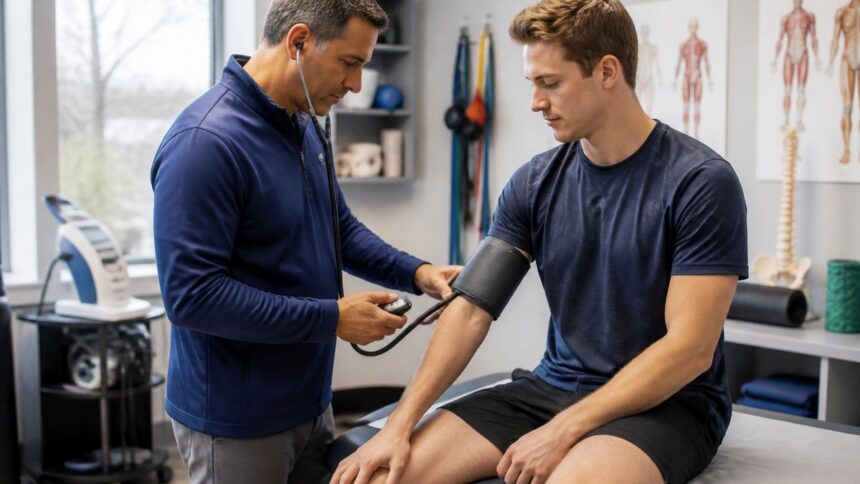




Sports injuries can affect athletes at every level, from recreational players to professionals. These injuries involve bones, joints, muscles, ligaments, and tendons, and they interfere with an athlete’s performance and daily activities. Orthopedic surgeons treat musculoskeletal injuries and help patients regain strength and function. Here is some information about the role of orthopedic surgeons in sports medicine:
Provides Diagnosis and Evaluation
When you see an orthopedic surgeon after an injury, the appointment usually begins with questions about how the injury happened, when symptoms started, and which movements worsen the pain. A physical exam follows. The surgeon checks:
- Range of motion
- Joint stability
- Strength
- Swelling
Imaging adds more detail. X-rays show bone structure and fractures, while MRI shows soft tissues such as tendons and ligaments. Ultrasound is sometimes used to view tendons in motion. Some injuries, such as a partial ligament tear, are hard to identify through an exam alone, so imaging helps confirm the findings. Sharing information about any prior injuries to the same area, current medications, and the sports you play gives the surgeon a clearer picture of your situation.
Recommends Conservative Care
Many sports injuries do not require surgery. Surgeons often recommend nonsurgical treatment first, especially for sprains, strains, and mild tendon injuries. Your surgeon tracks progress over several weeks, and they adjust treatment based on how the injury responds. Conservative care may include:
- Rest or activity modification
- Bracing, splinting, or casting
- Physical therapy to address strength, flexibility, and movement patterns
- Anti-inflammatory medications
- Corticosteroid or other injections
Performs Surgical Interventions
Some injuries require an operation. Common sports-related procedures include ACL reconstruction, meniscus repair, and rotator cuff repair. Many of these procedures are done arthroscopically; the surgeon inserts a small camera and thin instruments through incisions that are often less than half an inch long. Open surgery remains the standard for certain injuries, including some complex fractures and tendon ruptures. Before recommending surgery, the orthopedic surgeon evaluates the injury and determines whether nonsurgical treatments are appropriate. After the procedure, they monitor healing and adjust the recovery plan to limit the risk of reinjury.
Guides Return-To-Play
Returning to sport is gradual, and rehabilitation usually moves through stages. Doctors focus on restoring range of motion, rebuilding strength, and retraining balance and coordination. Then they reintroduce sport-specific drills. The orthopedic surgeon works with physical therapists and athletic trainers to monitor each stage.
Clearance decisions rely on objective measures. These may include strength testing that compares the injured limb with the healthy one and functional movement assessments. Time since the injury or surgery is one factor, but it is not the only one. Returning before tissues have healed may raise the risk of reinjury, so attend scheduled evaluations and complete the full rehabilitation program.
Work With an Orthopedic Surgeon
A surgeon evaluates sports injuries, recommends treatment options, and oversees the return to activity. Each case is different, and treatment plans reflect your injury and goals. If an injury limits your movement or doesn’t improve with rest, an evaluation helps determine the underlying cause. Contact an orthopedic surgeon today.