


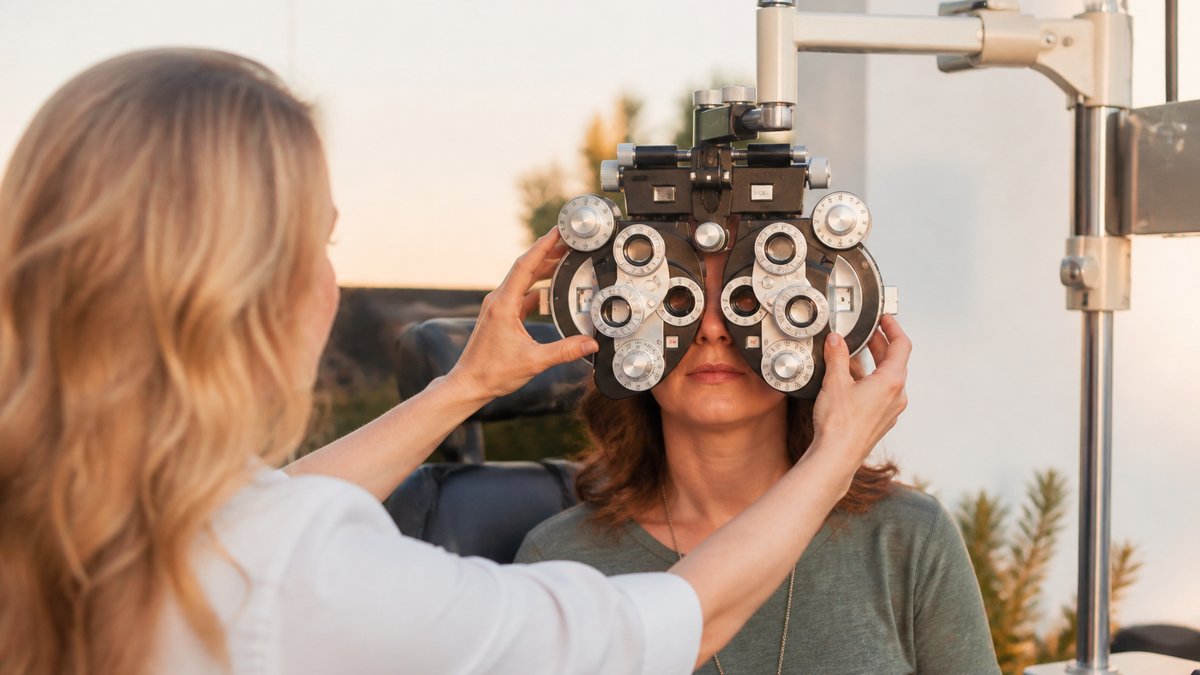

Cataracts gradually cloud the eye’s natural lens, softening contrast, dulling colors, and making tasks like reading or driving more difficult. Early on, brighter lighting or a new glasses prescription may help, but as the lens becomes more opaque, daily activities can become restricted. Premium cataract surgery replaces the cloudy lens with a clear, advanced intraocular lens to improve someone’s vision. After an eye specialist confirms cataracts, surgery is typically recommended when they interfere with work, driving, or independent living. Here’s more information on the benefits of premium cataract surgery and how it enhances vision:
Offering Advanced Intraocular Lenses
During cataract surgery, the eye’s cloudy natural lens is removed and replaced with an intraocular lens (IOL). This small, clear implant sits in the same position as the original lens and helps focus light onto the retina. Standard IOLs target one main distance, often leaving people needing glasses for near or intermediate tasks. Premium cataract surgery introduces a wider range of lens designs, including options that address astigmatism or multiple focal points. These lenses aim to support clearer vision tailored to a person’s daily activities, from computer work to outdoor hobbies.
Some specialty lenses used in premium cataract surgeries, such as light-adjustable designs, offer a unique feature: they are adjusted after surgery. Once the eye has healed, the surgeon uses a controlled UV light treatment to fine-tune the lens power inside the eye. This post-surgical adjustment refines vision based on real-world experience. Trifocal IOLs are another advanced lens option, distributing focus across near, intermediate, and distance ranges. With a trifocal lens, many people experience clearer vision at reading distance and across the room, reducing reliance on multiple pairs of glasses. This supports a more seamless transition between tasks.
Providing Timely Surgery
Once cataracts progress to the point that they interfere with daily life, surgery can restore clearer, more functional vision. Removing the cloudy lens allows light to reach the retina more directly, supporting sharper images and better contrast. Treatment timing matters, especially for people managing more than one eye condition. Those living with both glaucoma and cataracts sometimes have the opportunity to address lens clouding and glaucoma management in a combined procedure. This approach reduces the number of surgeries, streamlines recovery, and aligns treatment planning around a single healing period.
Utilizing Different Surgical Techniques
Premium cataract surgery incorporates advanced technology, including femtosecond laser-assisted techniques, for effective results. In this approach, a laser performs steps traditionally done by hand, such as creating precise incisions and softening the cataract before removal. The laser’s accuracy supports consistent incision shapes and lens fragmentation patterns. Some patients appreciate that this technology allows for a highly customized treatment plan, tailored to each eye’s unique shape and measurements. The choice between traditional and laser-assisted methods is based on an individual’s:
- Eye Health
- Visual Goals
- Surgical Discussion
Benefit From Premium Cataract Surgery
People who are comparing cataract options often look for surgeons who offer a full range of lens technologies, from standard monofocal designs to advanced lifestyle IOLs. Careful evaluation of the eye’s health and structure guides decisions about cataract and glaucoma treatment. Cataract surgery builds on that type of detailed assessment, pairing lens selection with surgical technique to match individual vision needs. A thorough consultation gives space to review expectations, discuss lens choices, and decide whether advanced options are appropriate. To learn about your eye care needs, schedule an exam with a specialist near you for personalized advice.