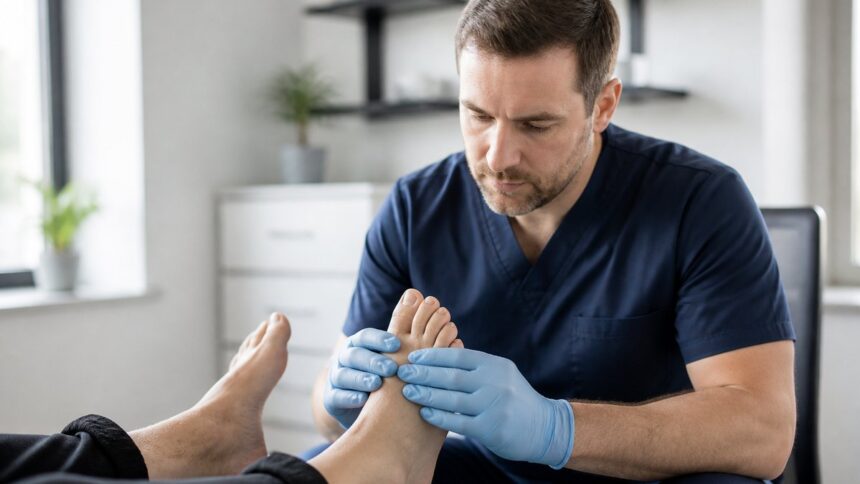


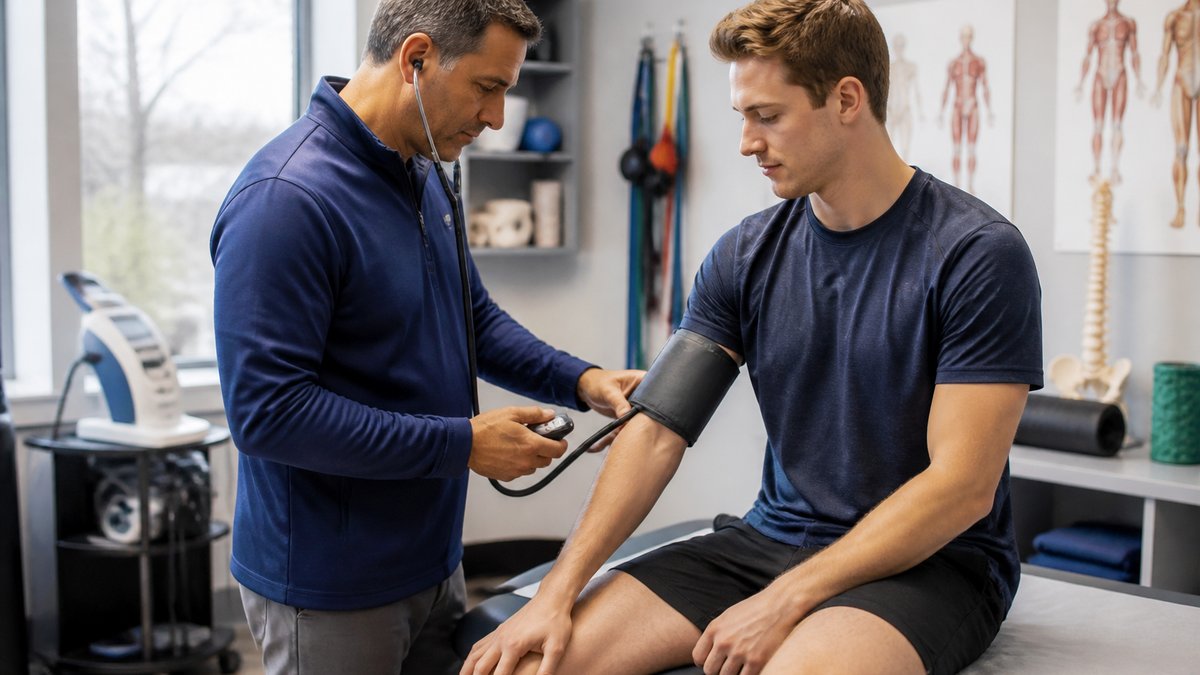

A sports injury can affect athletes at every level, from recreational runners to competitive professionals. Wellness clinics have clinicians that evaluate how an injury affects your movement, strength, and overall health. Learn more about addressing sports injuries at a wellness clinic.
Sprains
A sprain occurs when a ligament stretches beyond its normal range or tears. Sprains are classified by severity; mild sprains involve slight stretching of the ligament, while severe sprains may involve a complete tear. At a wellness clinic, a provider begins with a thorough evaluation to determine the extent of the injury. Early treatment may include rest, compression, and elevation. This is followed by guided exercises that restore range of motion and strengthen the surrounding muscles.
Muscle Tears
A muscle tear, or muscle strain, happens when muscle fibers are overstretched or torn. The hamstrings, quadriceps, calves, and groin muscles are frequently affected. These injuries often result from sudden acceleration and imbalances between opposing muscle groups. Initial care focuses on managing pain and inflammation. As healing progresses, therapeutic exercise, soft tissue therapy, and gradual stretching help rebuild strength and flexibility. If a complete rupture is suspected, your provider may recommend imaging or a surgical consultation.
Tennis Elbow
Tennis elbow, known clinically as lateral epicondylitis, is an overuse injury that affects the tendons attaching the forearm muscles to the outside of the elbow. Golfers, weightlifters, and individuals who perform repetitive gripping or wrist movements may develop it. Clinical treatment options at a wellness clinic may include activity modification and bracing to reduce strain on the tendon. For persistent cases, advanced therapies such as shockwave therapy can offer additional relief.
Shockwave Therapy Benefits
Shockwave therapy, or extracorporeal shockwave therapy (ESWT), is a noninvasive treatment that delivers acoustic pressure waves to injured tissue. These waves stimulate the body’s natural repair processes, useful for chronic tendon conditions and slow-healing injuries. Sessions are typically brief and performed in the clinic without anesthesia.
Key benefits of shockwave therapy include:
- Noninvasive care: Treatment requires no incisions or injections, which reduces the risks associated with more invasive procedures.
- Improved blood flow: Acoustic waves encourage circulation to the injured area, delivering oxygen and nutrients that support healing.
- Tissue regeneration: The therapy may stimulate collagen production and cellular repair in damaged tendons and soft tissue.
- Pain reduction: Many patients experience decreased pain as treatment progresses.
- Minimal downtime: Patients may resume normal activities shortly after each session.
- Support for chronic conditions: Shockwave therapy is commonly used for tennis elbow, plantar fasciitis, Achilles tendinopathy, and other persistent injuries.
Your provider will determine whether shockwave therapy is appropriate for your sports injury. This is based on your diagnosis, health history, and recovery goals.
Get Sports Injury Care
Sports injuries can be painful and disruptive, but appropriate care can make a meaningful difference in your recovery. Seeking treatment promptly helps prevent minor injuries from becoming chronic conditions. A wellness clinic offers thorough evaluations, personalized treatment plans, and advanced therapies designed to address both the injury and its underlying causes. If you are experiencing pain or limited movement after physical activity, schedule an appointment with a qualified wellness clinic provider.