


An emergency room (ER) brings together healthcare professionals with distinct roles in assessing and treating urgent medical concerns. Physicians, nurses, and support staff coordinate care throughout a patient’s visit. Here is an overview of emergency room staff:
The Medical Providers
Emergency physicians lead medical decision-making in the emergency room. These doctors complete specialized training in emergency medicine, and they evaluate a wide range of conditions. After they review your symptoms and medical history, they order tests, interpret results, and create a treatment plan. They also decide whether you return home or stay in the hospital.
Physician assistants and nurse practitioners also work as medical providers in some ERs. They examine patients, order tests, and prescribe treatments, and they often manage less complex cases. Their work allows physicians to focus on patients who need more intensive attention.
The Nursing Team
Nurses often make up the largest group of staff in emergency rooms. They spend more time at the bedside than other team members, and they track changes in your condition throughout the visit.
Triage Nurses
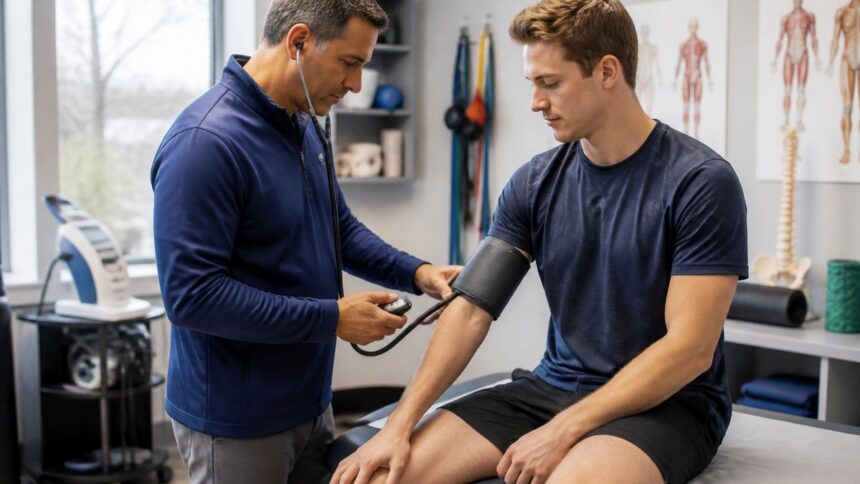
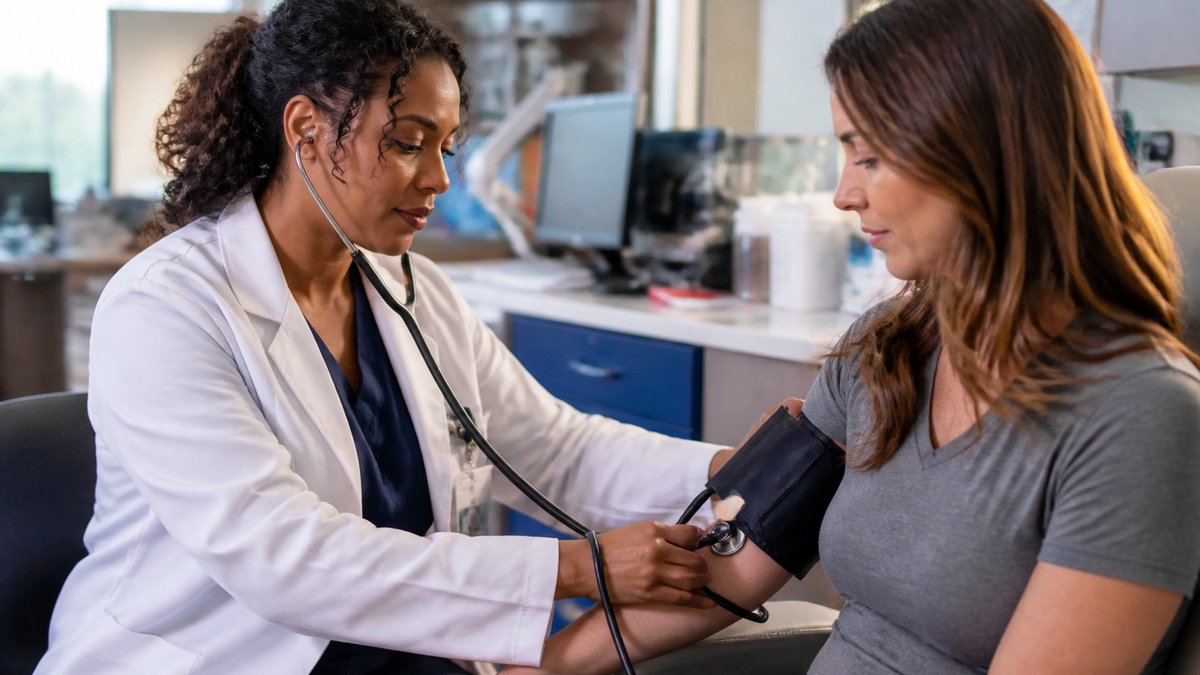
A triage nurse is usually the first clinical staff member you meet. This nurse checks vital signs, such as heart rate, blood pressure, and temperature, and asks about your symptoms. Based on this information, the nurse assigns a priority level that determines how soon a provider sees you.
Bedside Nurses
After you move to a treatment room, a bedside nurse takes over much of your hands-on care. This nurse starts IV lines, gives medications, collects samples, and monitors your condition. The bedside nurse relays updates to the provider, and you can ask questions about your plan at any time.
The Diagnostic and Support Staff
Some team members work behind the scenes. Their work supports providers and nurses, and they keep the department running efficiently. When a provider orders a test, one of these specialists usually completes it. The following roles are often common in emergency rooms:
- Radiology technologists: They perform X-rays, CT scans, and ultrasounds, imaging tests that show structures inside the body.
- Laboratory technicians: They process blood, urine, and other samples to produce test results for the provider.
- Respiratory therapists: They assist patients who have breathing difficulties and manage oxygen equipment.
- Patient care technicians: They move patients, record vital signs, and perform basic tasks under nurses’ direction.
- Pharmacists: They review medication orders for accuracy and check for possible drug interactions.
The Registration and Care Transitions
Registration staff collect your personal details, insurance information, and consent forms. In some emergency rooms, this step happens after triage, so clinical assessment does not wait on paperwork. If you cannot provide information right away, a family member can share it, or staff complete registration later in the visit.
A care transition occurs when responsibility for your care moves from one team to another. If the provider admits you, a hospitalist, a doctor who manages patients inside the hospital, assumes your care. The nurse then gives a detailed report to the receiving unit, and transport staff moves you to your room.
Visit a Local Emergency Room
An ER relies on providers, nurses, diagnostic staff, and registration personnel to deliver coordinated care. Each team member handles a specific part of your visit, and together they move you from arrival to discharge or admission. Contact an emergency room in your locality to schedule your visit or walk in for immediate care.