



Diabetes affects many bodily systems. Its effects on the feet carry serious consequences because nerve damage and poor circulation can turn a minor cut into a major complication within days. Podiatrists play a central role in preventing this progression, and they do so through regular monitoring, early intervention, and patient education. Here is more information on the impact of podiatrists in diabetic foot care:
What Do Podiatrists Do?
Podiatrists are medical professionals who specialize in diagnosing and treating conditions of the feet, ankles, and lower legs. Their training covers a wide range of issues, from sports injuries to chronic disease management. Podiatric care addresses both acute and chronic problems, so patients may rely on the same provider for years.
A podiatrist’s responsibilities extend beyond treating existing problems; they assess gait, evaluate circulation, and identify structural issues before these issues cause pain or injury. Some podiatrists perform surgery to correct deformities or repair damaged tissue. Preventive care is particularly beneficial for patients whose conditions put their feet at elevated risk.
What Is Diabetic Foot Care?
Diabetic foot care refers to the specific practices used to protect the feet of patients living with diabetes. Elevated blood sugar levels damage nerves over time, a condition that is known as peripheral neuropathy. This nerve damage reduces sensation, so cuts, blisters, or pressure sores may go unnoticed until they become infected.
Diabetes also affects blood flow to the extremities. Reduced circulation slows healing, and it makes the feet more vulnerable to infection. When these factors combine with reduced sensation, they create a dangerous cycle: an injury forms, it goes unnoticed, and it heals slowly or not at all. Left untreated, these wounds can lead to severe infection.
Patients may be advised to follow specific home care steps, including:
- Inspect both feet daily for redness, swelling, cuts, blisters, or sores.
- Wear well-fitted, protective shoes and clean, dry socks.
- Avoid walking barefoot, indoors or outdoors.
How Do Podiatrists Impact It?
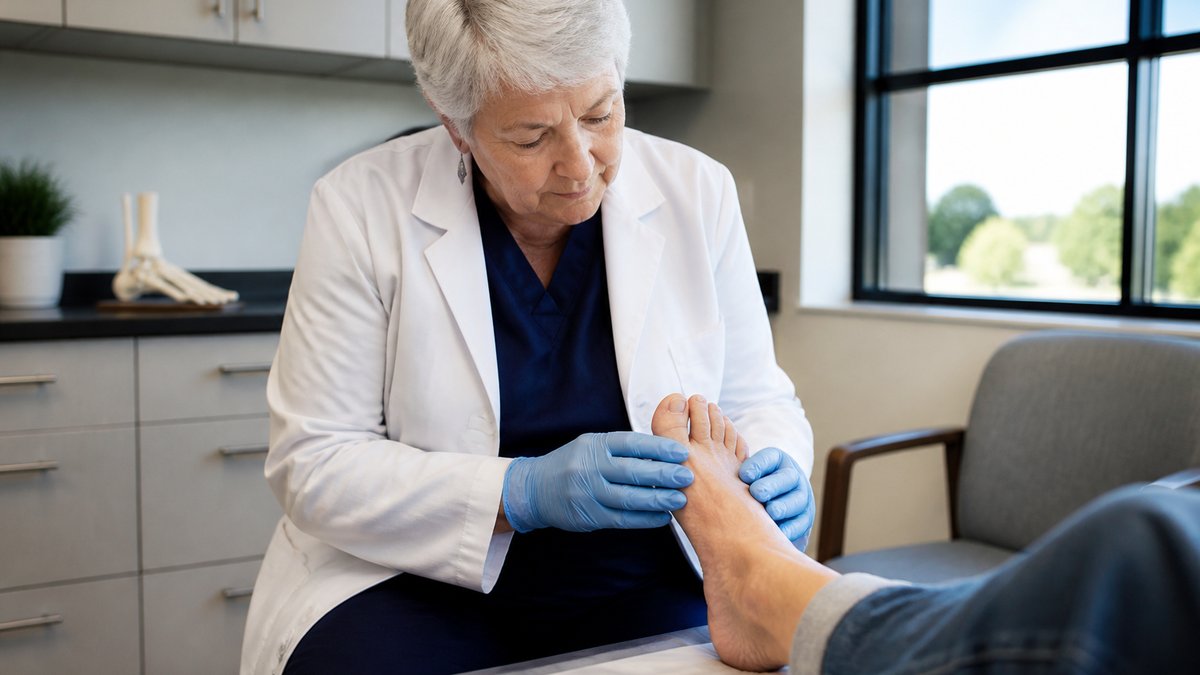
Podiatrists provide specialized care for diabetic feet. During a routine visit, a podiatrist checks circulation, tests sensation, and examines the skin for early signs of damage. These exams may be brief, but they help catch problems early. They identify damage before symptoms become obvious to the patient.
When patients require preventive foot care, treatment may include trimming calluses, removing dead skin, and addressing minor wounds before they worsen. Podiatrists also fit patients with custom orthotics or therapeutic footwear. This footwear reduces pressure points, and it helps lower the likelihood of friction injuries that may otherwise go unnoticed due to reduced sensation.
Education forms another core part of a podiatrist’s role; patients may learn how to inspect their own feet correctly, recognize warning signs, and choose appropriate footwear for daily activities. Podiatrists may also advise on blood sugar management strategies, which support tissue healing alongside the patient’s broader diabetes care plan. This guidance helps patients apply proper foot care between appointments.
Seek Professional Care Today
Diabetic foot complications may develop quietly, sometimes without pain or obvious warning signs; podiatrists interrupt this pattern through regular monitoring, specialized treatment, and patient education tailored to each individual’s risk level. Their involvement helps reduce the likelihood of infections and ulcers. If you are managing diabetes, contact a local podiatrist to schedule an evaluation and build a foot care plan suited to your specific health needs.
- The Role of Psychiatric Mental Health Nurse Practitioners in Addressing Mental Health Issues
- Cardiologist Versus Your Regular Healthcare Provider
- Interventional Radiology in the Management of Chronic Pain
- TMS Therapy and What To Expect During Your First Session
- Achieving a Perfect Smile: The Benefits of Cosmetic Dentistry Procedures