

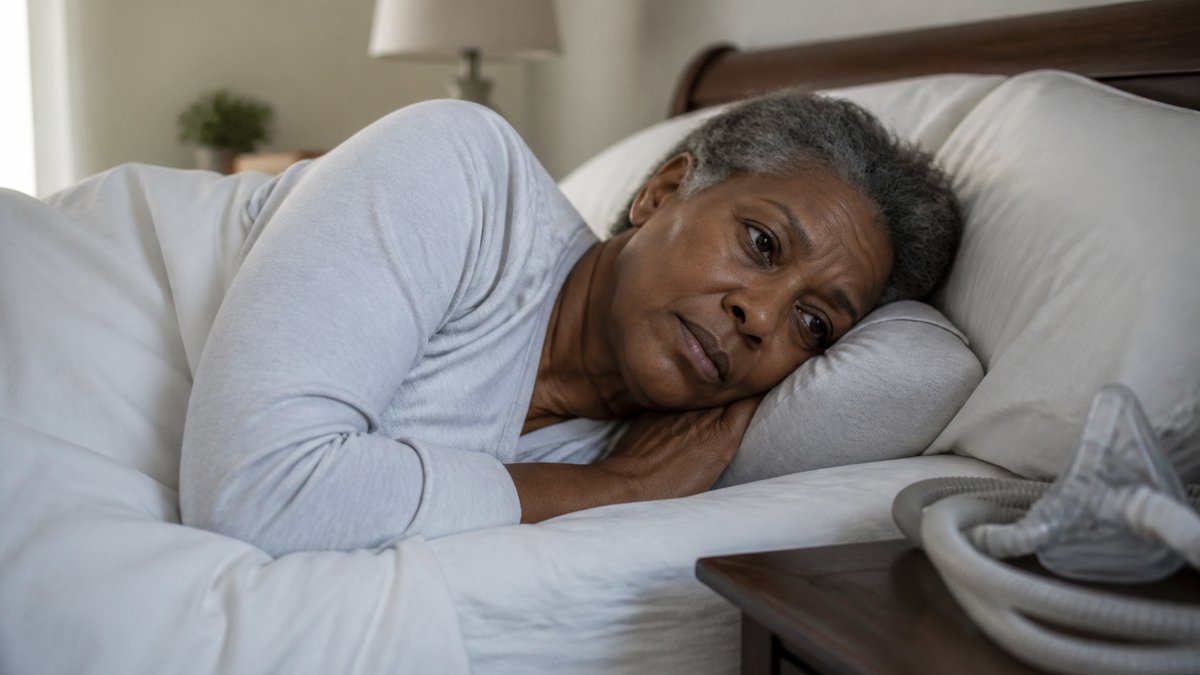

Sleep apnea is a condition that causes repeated breathing interruptions during sleep, potentially contributing to daytime fatigue and cardiovascular health concerns. Obstructive sleep apnea (OSA), the most common form, occurs when relaxed throat tissues partially or completely block the airway. Although treatment varies by severity, custom oral appliances may help manage certain cases by repositioning the lower jaw to improve airflow. Here is more information about the impact of apnea:
Defining Sleep Apnea
Sleep apnea is a chronic sleep disorder that causes repeated pauses or reductions in breathing throughout the night. These interruptions may occur numerous times, affecting oxygen levels and disrupting normal sleep patterns. Although individuals sometimes won’t remember waking, repeated breathing disturbances can contribute to daytime fatigue and poor sleep quality.
People with apnea often experience loud snoring, gasping during sleep, or morning headaches. Because symptoms occur during sleep, family members or partners may notice breathing irregularities before the affected person does. Untreated apnea may contribute to high blood pressure and other health concerns. A professional sleep evaluation helps identify the condition and determine appropriate treatment options.
Understanding The Different Types
Apnea has three main types, each involving different causes of breathing interruptions during sleep. Although symptoms may overlap, the underlying mechanisms determine how each condition affects breathing. The three types include:
- Obstructive sleep apnea: Occurs when relaxed throat tissues partially or completely block the airway during sleep.
- Central sleep apnea (CSA): Develops when the brain fails to send appropriate signals to the muscles responsible for breathing.
- Complex sleep apnea: Involves both obstructive and central breathing interruptions, often identified during treatment for OSA.
Healthcare providers use sleep evaluations to identify the type and recommend appropriate treatment options.
Recognizing Symptoms
Apnea may cause breathing interruptions that affect sleep quality, energy levels, and daily functioning. Although symptoms vary between individuals, family members often notice breathing irregularities before the affected person recognizes them. Common signs include:
- Experiencing loud, persistent snoring
- Developing frequent morning headaches
- Having noticeable breathing pauses during sleep
- Waking up gasping or choking for air
- Experiencing daytime fatigue and irritability
- Having difficulty staying asleep
- Struggling to concentrate during the day
- Waking up with a dry mouth
Because untreated OSA may contribute to cardiovascular problems and ongoing fatigue, persistent symptoms warrant a professional sleep evaluation.
Exploring Treatments
OSA treatment may involve custom oral appliances designed to improve airflow during sleep. These devices gently reposition the lower jaw, helping reduce airway obstruction and breathing interruptions. Dental providers evaluate oral structures and treatment needs before recommending an appliance.
Oral appliance therapy is commonly used for mild to moderate OSA. Although treatment responses vary, these devices offer an alternative for patients who have difficulty tolerating continuous positive airway pressure (CPAP) therapy. A custom fit helps support comfort and proper jaw positioning.
Dental providers may use airway measurement tools, including pharyngometers or rhinometers, during certain evaluations. Follow-up appointments allow providers to adjust the appliance and assess comfort, while sleep testing helps determine treatment effectiveness. Regular monitoring supports ongoing management of OSA.
Schedule an Evaluation
Sleep apnea affects breathing during sleep and are able to contribute to daytime fatigue, poor concentration, and cardiovascular health concerns. Although symptoms vary, loud snoring, morning headaches, and persistent tiredness may indicate an underlying sleep disorder. A professional evaluation helps identify breathing disturbances and determine whether treatments, including custom oral appliances, are appropriate. Schedule an evaluation today to discuss your symptoms and explore treatment options that support better sleep.