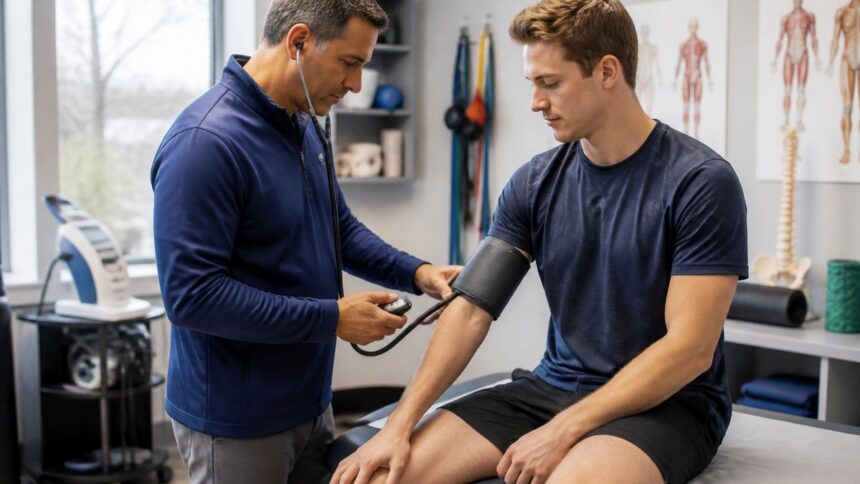




Vein care involves assessing and treating conditions such as varicose veins, spider veins, and chronic venous insufficiency; these conditions can affect how blood returns from the legs to the heart. Depending on severity, treatment may include lifestyle changes or minimally invasive procedures, which improve circulation and relieve discomfort. Preparing a short list of questions before an appointment can help guide the conversation. Here is more information on what questions to ask about vein care:
What Does Vein Care Entail?
Vein care involves evaluating and treating conditions affecting the venous system. A typical visit begins with a physical examination, during which the doctor inspects visible veins and checks for swelling, discoloration, or tenderness. Some providers also use ultrasound; this imaging test helps assess blood flow and detect valve dysfunction within the veins.
Once a diagnosis is confirmed, the doctor outlines a treatment plan tailored to the patient’s condition. Treatment options vary depending on severity. Mild cases may only require compression stockings and lifestyle adjustments, but more advanced cases call for procedures like sclerotherapy, in which a solution is injected to close off damaged veins, or endovenous laser therapy, which uses heat to seal problematic vessels.
Who Does It Help?
Vein care benefits a wide range of patients, including those without visibly enlarged veins. Vein specialists help:
- Patients with leg symptoms: People who experience leg heaviness, cramping, or swelling after long periods of standing or sitting.
- Patients with diagnosed vein conditions: Vein specialists treat varicose veins, spider veins, and chronic venous disease.
- Patients with a family history of vein disease: Genetic predisposition may increase the likelihood of developing symptoms.
Patients should ask their doctor whether their symptoms, occupation, or family history place them at higher risk, as this helps determine whether the condition is purely cosmetic or signals a developing medical issue that requires closer monitoring.
What Are the Benefits?
Treating vein conditions early offers both health and quality-of-life benefits. Patients may experience reduced swelling, decreased pain, and improved circulation after treatment; these improvements have the potential to become noticeable within weeks. Some patients may also notice fewer skin complications, such as ulcers or discoloration, which develop when blood pools in affected veins over extended periods.
Vein care supports increased mobility and comfort during daily activities. Addressing vein issues before they progress can prevent more invasive procedures later, and early care also limits long-term complications. A patient who treats mild varicose veins early may avoid complications associated with untreated chronic venous disease.
Ask a vein specialist what results to expect from the treatment plan and within what timeframe, as recovery times and outcomes vary by procedure. Clarifying this information sets realistic expectations for the care journey, and it also helps patients plan for follow-up appointments and any necessary lifestyle adjustments. Seeking professional care now supports overall well-being.
Learn More From Your Doctor
Vein care covers treatment and prevention for venous conditions; from identifying symptoms to understanding who benefits from treatment, patients gain clarity by asking questions during their appointments. Early intervention may reduce pain and improve circulation. If you notice swelling, discomfort, or visible changes in your veins, schedule a consultation with a vein specialist. Bring a list of questions covering diagnosis and expected outcomes.