



Pain management covers a broad set of treatments for acute and chronic discomfort, and a holistic plan combines several approaches and looks at the whole person. When pain persists for months, it becomes chronic. Some people rely on medication alone, but many others look for options with fewer side effects. Here is more information about holistic approaches:
Whole-person Approach
A whole-person approach looks at how sleep, diet, and activity affect your pain. Poor sleep lowers your pain tolerance, or your neck and back muscles could tighten. These factors can overlap. Your provider may ask about your daily habits so they understand the full picture.
For some patients, supportive therapies fit into a whole-person plan. A nutritionist may suggest anti-inflammatory foods, or a counselor may teach stress management techniques. Tell each provider about every therapy you use so they can coordinate your care.
Interventional Techniques
Interventional pain management techniques target discomfort at its source with precise, minimally invasive procedures. A physician performs these treatments when other approaches have not provided enough relief. Procedures are typically short, and some patients return home the same day. Ask your physician about recovery time, side effects, and follow-up care.
- Radiofrequency ablation: Heat from radio waves disrupts the nerves that send pain signals from certain joints.
- Steroid injections: A provider delivers anti-inflammatory medicine near irritated spinal nerves.
- Nerve blocks: An anesthetic injection interrupts pain signals from a specific nerve or group of nerves.
- Trigger point injections: Small injections relax tight knots in muscle tissue.
Physical Therapy
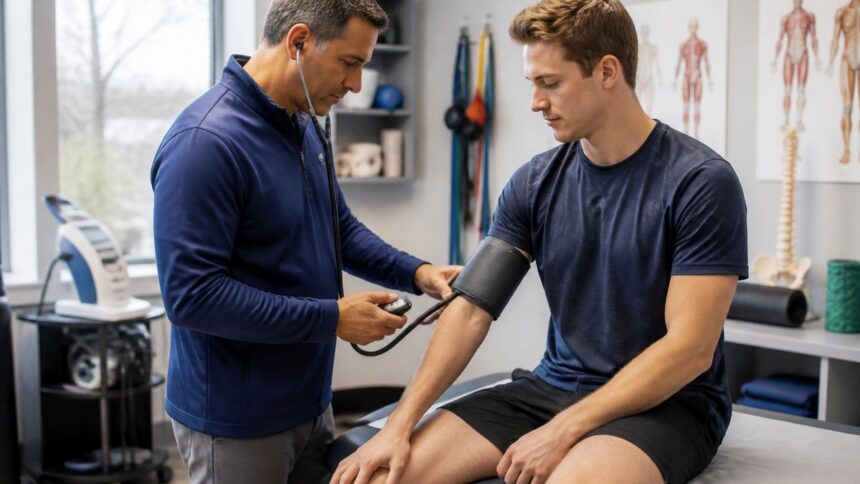
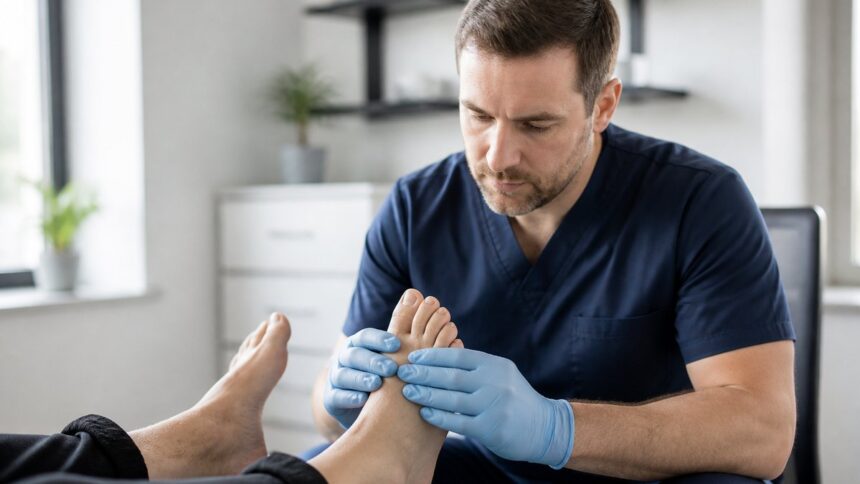
Physical therapy focuses on movement, and it typically forms the base of a holistic pain plan. A licensed physical therapist starts with an evaluation of your posture, strength, and range of motion. After the evaluation, the therapist builds a program that targets the source of your discomfort.
Sessions include stretching and strengthening exercises that support weak or tight muscles. Your therapist may also use manual therapy, or they may add heat, ice, or electrical stimulation. Each technique serves a specific purpose within your plan.
Home exercises play a large role in physical therapy. Your therapist demonstrates each movement during a session, and you repeat the routine at home. If a movement increases your pain, tell your therapist at your next visit. They will adjust the plan based on your feedback.
Regenerative Techniques
Regenerative techniques aim to support tissue repair in areas that heal slowly on their own. Tendons, ligaments, and joints fall into this category. These treatments take time to show effects, and responses vary from person to person. Typical regenerative options include the following:
- Platelet-rich plasma (PRP): A provider draws your blood, concentrates the platelets, and injects them into the injured area.
- Prolotherapy: A provider injects a mild irritant solution to prompt a healing response in weak ligaments.
- Stem cell therapy: Providers collect cells from your bone marrow or fat tissue and inject them at the treatment site.
Many pain clinics offer PRP for skin care, but pain treatment uses a different injection technique. Before you book, ask whether the provider uses imaging to guide joint injections. Ultrasound guidance helps the provider place the injection accurately.
Find Pain Management Services
When you search for pain management services, look for licensed providers with pain medicine training. Board certification and years of experience offer useful clues about a provider’s background. Ask about the clinic’s safety and hygiene protocols. A consultation gives you time to ask questions before you commit to a plan.