



When symptoms appear suddenly, waiting days for an appointment may interrupt work, family plans, and daily routines. Urgent care clinics offer walk-in access for non-emergency problems. A visit often involves streamlined intake and focused evaluation, and patients may leave with a treatment plan. Here is more information on how health needs are addressed quickly:
What Are Urgent Health Needs?
Urgent health needs involve problems that are not life-threatening emergencies, but they require prompt evaluation at an urgent care clinic to prevent complications. These conditions can develop quickly and cause enough discomfort or disruption that postponing care is unsafe. Some symptoms relate to infections or injuries. Others involve sudden changes in chronic conditions that usually stay stable. Additional urgent health needs include:
- New fevers, sore throats, or respiratory symptoms
- Minor fractures, sprains, or joint injuries
- Cuts, burns, or wounds
- Ear pain, eye irritation, or skin rashes
These issues are addressed between routine primary care and emergency services, and they may respond well to early evaluation.
How Are They Addressed Quickly?
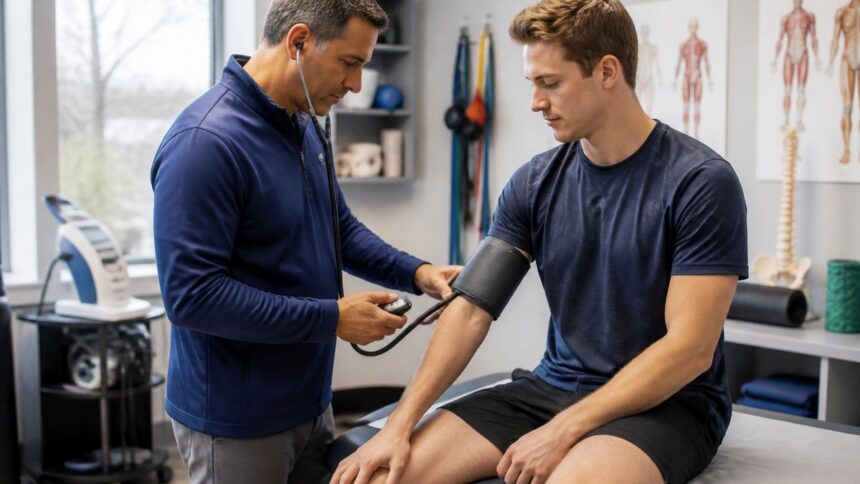
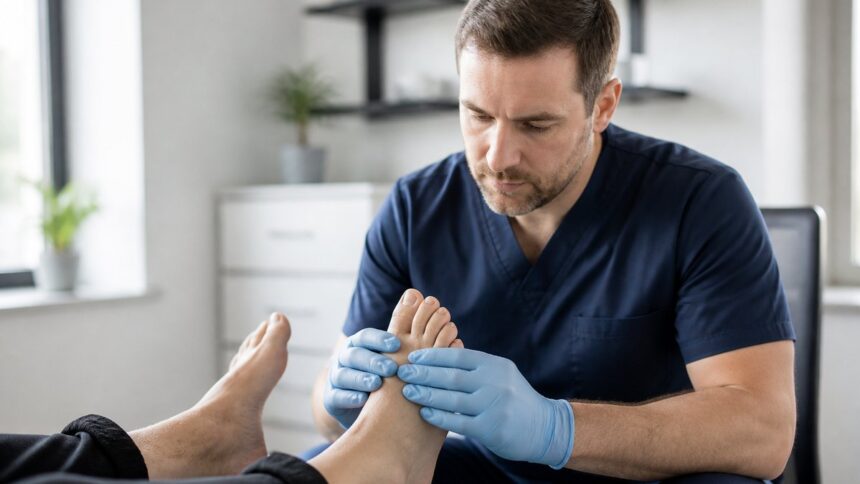
Speed starts with access, since walk-in visits reduce delays from appointment scheduling. Patients can arrive during extended hours. Once in an exam room, a focused assessment helps the provider reach decisions efficiently. Clinicians ask targeted questions, and they perform a physical exam. They may also order tests that guide treatment.
Some facilities keep basic lab testing and imaging on-site, so results return during the same visit. This helps reduce the need for outside referrals. When answers come quickly, treatment plans can start sooner.
Communication also affects speed; clear explanations may reduce back-and-forth phone calls after discharge. Providers may outline next steps, review warning signs that require emergency attention, and describe how to use medications correctly. These steps support efficient care while maintaining accuracy and safety.
How Is Urgent Care Beneficial?
Urgent care offers a practical option between routine office visits and emergency rooms; this middle tier of service supports both patients and the broader health system. Some conditions receive timely treatment without occupying emergency resources. This separation helps hospitals focus on life-threatening situations. Patients gain access to professional evaluation when their primary provider is unavailable.
Care continuity may improve when urgent care teams share records with a patient’s regular clinician. Visit notes, diagnostic results, and medication changes move into the broader medical record; this exchange supports safer long-term management. When the same problem reappears, prior documentation guides future decisions. It also helps prevent duplication of tests. As a result, urgent visits fit into an ongoing care plan instead of standing apart from it.
Address Your Health Needs Now
Delaying care for rapidly developing symptoms can lead to longer recovery times, so prompt evaluation delivers practical benefits. When a problem feels too urgent to wait for a routine appointment yet does not rise to the level of an emergency, a walk-in clinic is the right option. Visit a clinic now. A doctor will assess symptoms, order the appropriate diagnostic tests, and recommend a treatment plan that addresses your health needs quickly and efficiently.