



A psychiatric mental health nurse practitioner (PMHNP) works as a bridge in healthcare systems, blending clinical expertise with nursing knowledge to provide holistic patient care. The scope of practice of PMHNPs is continually expanded to provide patients with accessible and high-quality care, even during nursing shortages. Here are a few roles of PMHNPs in managing mental health care:
Comprehensive Assessment
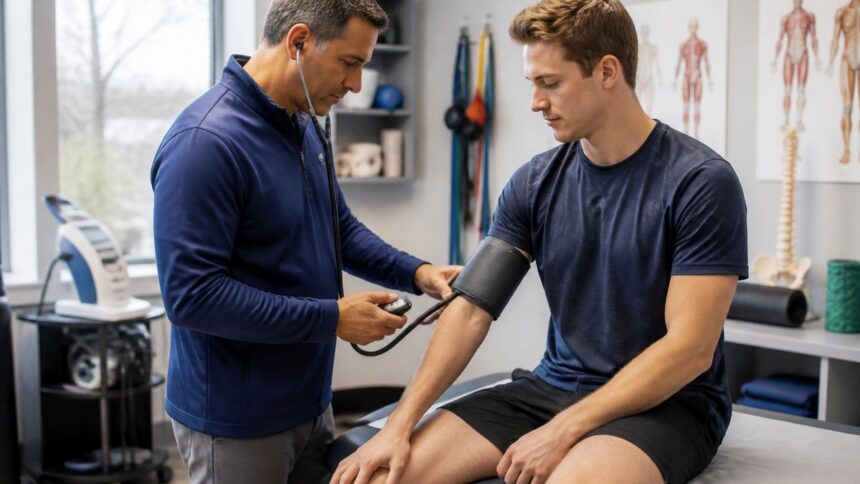
A psychiatric mental health nurse practitioner is well-versed in client assessment because of advanced nursing training. By conducting psychiatric evaluations and physical health screenings, as well as taking detailed psychosocial histories, these professionals can differentiate between psychiatric and physical illnesses. They also conduct in-depth interviews to determine a patient’s social and psychological background. In such assessments, PMHNPs also have the expertise to assess:
- Chief complaints
- Substance use histories
- Social histories
Informed Diagnosis
Because of their training, PMHNPs can independently and collaboratively diagnose a wide spectrum of disorders. PMHNPs are adept at identifying acute and chronic psychiatric disorders. These include:
- Anxiety disorders
- Clinical depression
- Substance use disorders
- Bipolar disorder
- Schizophrenia
These professionals can also order lab evaluations to rule out underlying neurological and medical conditions. By interpreting these tests and physical health screenings, PMHNPs determine the cause of psychiatric symptoms. In their role, PMHNPs apply standard diagnostic criteria and also identify co-occurring mental and substance use disorders.
Crisis Intervention
When managing patients with acute psychological distress, PMHNPs specialize in launching crisis intervention strategies. PMHNPs undertake immediate evaluation of safety risks, including homicidal intent, suicidal ideation, substance withdrawal, and severe psychosis. This improves safety by addressing the immediate threat.
By using calm, structured communication, PMHNPs de-escalate crises to build rapport and reduce tension. Following a comprehensive analysis, these professionals also administer psychotropic medication to minimize distress and agitation. After a swift, accurate evaluation, the PMHNP determines whether it is preferable for the patient to receive treatment in the community.
Using this approach, PMHNPs reduce the need for hospitalization and ease the burden on emergency departments. In such crisis intervention roles, PMHNPs understand how to collaborate with social workers, local crisis stabilization units, and emergency department professionals. Through this collaboration, PMHNPs support safe discharge, hospitalization, and follow-up.
Medication Management
Having undergone advanced medical training, PMHNPs combine this knowledge with a holistic, patient-centered approach to manage a patient’s psychotropic medication. Being a prescriber and care coordinator across a patient’s treatment regimen, the PMHNP selects targeted medications based on evidence-based guidelines. These professionals also customize dosing schedules for each patient to minimize side effects and optimize outcomes. During follow-up appointments, PMHNPs can evaluate whether the medication is effective in reducing clinical symptoms and restoring the client’s quality of life.
Psychotherapy Interventions
PMHNPs offer psychotherapy as part of their advanced practice nursing scope. With their training, PMHNPs deliver interventions such as cognitive behavioral therapy, interpersonal therapy, trauma-informed care, and motivational interviewing. Using an integrated care approach, PMHNPs combine medication with psychotherapy based on the patient’s clinical progress.
As part of their role in psychotherapy, PMHNPs provide psychoeducation where they educate patients and their families regarding mental health conditions and coping strategies. During treatment, PMHNPs apply holistic approaches to determine the ideal treatment for each patient. This involves incorporating the biological, spiritual, psychological, and social elements in a patient’s treatment plan. This approach helps these professionals address underlying issues.
Become a Psychiatric Mental Health Nurse Practitioner
Beyond symptom reduction, PMHNPs adopt advanced medical models that follow a nursing framework where the patient is viewed as a whole person. With this holistic approach, and in collaboration with interdisciplinary teams, PMHNPs facilitate continuity of care. Enroll in a reputable PMHNP program to advance mental health treatment efforts and get your credential.