


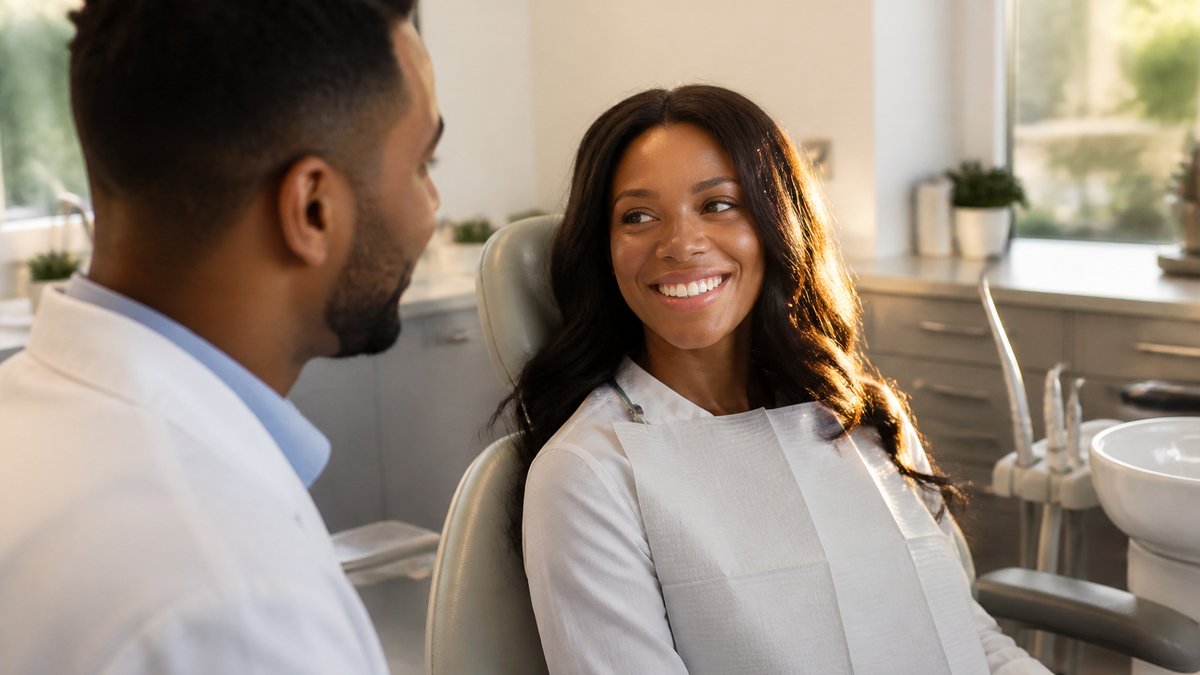

Cosmetic dentistry focuses on improving the appearance of teeth and gums through procedures that address concerns such as discoloration, chipped teeth, gaps, and misalignment. Treatments can enhance your smile and boost self-confidence. Here are some benefits of cosmetic dentistry procedures:
Brightening Teeth and Removing Stains
Teeth change color over time. Coffee, tea, red wine, and tobacco leave surface stains, and aging thins the outer layer of enamel. This lets the yellow layer beneath show through. Although brushing removes some surface discoloration, it does not change the natural shade of the teeth. Here are some options dentists offer as part of cosmetic dentistry to address tooth color:
- In-office whitening: A dentist applies a professional-strength whitening gel to the teeth, and visible results generally appear after one visit.
- Take-home whitening trays: The dentist creates custom trays that fit your teeth; you wear them with a whitening gel for a set period each day.
- Porcelain veneers: Thin shells that cover the front surface of the teeth and can help with stains that do not respond to whitening.
- Dental bonding: A dentist applies tooth-colored resin over isolated areas of discoloration.
Correcting Damaged or Uneven Teeth
Minor accidents, teeth grinding, and biting hard objects can cause chips and cracks. Uneven teeth may also develop from natural wear or differences in tooth size. These concerns affect the look of a smile, and they often make teeth appear shorter or irregular. When a tooth has visible damage, a dentist examines it to choose the right cosmetic dentistry repair method.
Dental bonding is a common choice for small chips. The dentist applies a tooth-colored resin, shapes it to match the surrounding teeth, and hardens it with a special light. Veneers suit larger chips, cracks, or uneven tooth shapes. A dentist removes a thin layer of enamel from the front of the tooth, and a dental lab creates a custom porcelain shell. Once attached, the veneer covers the damaged area and creates an even edge.
Closing Gaps and Aligning Teeth
Gaps and crooked teeth are common cosmetic concerns. Spacing develops from genetics, tooth size, or missing teeth, and crowding occurs when the jaw has limited room. While traditional metal braces remain a cosmetic dentistry option, some adults and teenagers prefer less visible treatments.
Invisalign Clear Aligners
Invisalign uses a series of clear removable plastic trays to shift teeth gradually. Patients wear each set for one to two weeks, and they then move to the next set in the series. Treatment is often faster than traditional braces, though the timeline depends on the case’s complexity. Patients remove the aligners to eat, brush, and floss.
Bonding and Veneers
For minor spaces between teeth, bonding and veneers offer a quick alternative. A dentist adds resin or porcelain to the sides of the teeth, reducing or closing the gap. This approach does not move the teeth, but it changes their width and shape to create even spacing.
Enhancing Overall Appearance
People often pursue cosmetic dentistry to feel more comfortable smiling, speaking, or appearing in photos. Teeth imperfections may lead individuals to cover their mouths or limit their smiles. Cosmetic treatment addresses these visible concerns, and patients may feel more comfortable in social and professional settings. A uniform smile also contributes to a balanced facial appearance. Regular checkups and daily oral hygiene help maintain these results over time.
Schedule Your Cosmetic Dentistry Appointment
Cosmetic dentistry offers several ways to improve your smile’s appearance. Whitening addresses stains, bonding and veneers repair chips and uneven edges, and Invisalign corrects spacing and alignment. The first step is a consultation with a cosmetic dentist. During this visit, the dentist examines your teeth and discusses your goals so they can recommend a personalized treatment plan. Contact a qualified dentist near you to schedule your cosmetic dentistry appointment today.