



Birth control provides a way to prevent pregnancy, and women’s health clinics offer access to it through a structured, patient-focused process. These facilities combine consultations, prescriptions, and follow-up care under one roof. Although the process may vary depending on individual health needs, clinics help patients find a contraception method that works for them. Here are several things to know about getting birth control at a women’s health clinic:
Preparing for Your Visit
Preparation is key to a productive contraception appointment. Before you visit a women’s health clinic, gather your personal and family health history and a list of current medications and supplements. Some clinics also offer telehealth options for certain services, so ask about that when you schedule. You may need to bring the following items to your appointment:
- Photo ID
- Insurance card
- Payment method for copays or out-of-pocket fees
- List of current medications and supplements
- Your written questions for the provider
If you are under 18, contact the clinic ahead of time about its policies; consent and confidentiality rules may differ by state.
Understanding Your Contraception Appointment
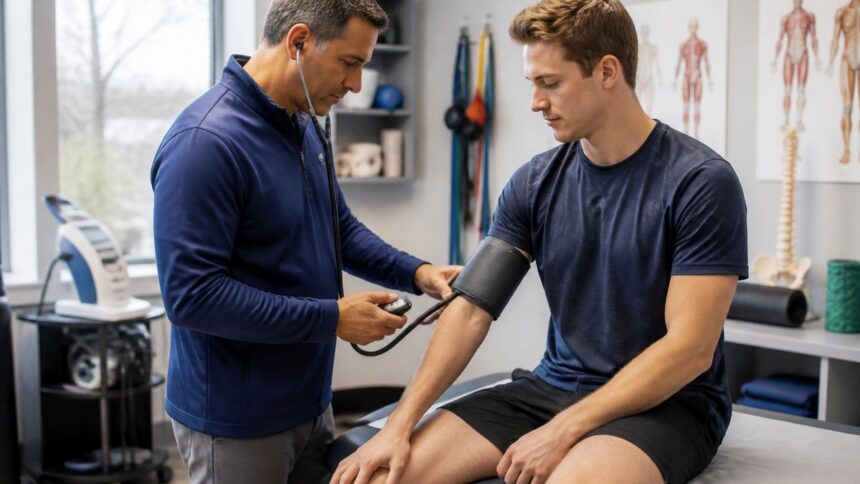
Women’s health visits typically begin with check-in and paperwork; a staff member also takes basic measurements, such as your weight and blood pressure. You’ll then meet with a provider, such as a doctor, nurse practitioner, or physician assistant. The professional reviews your health history and guides you through the available birth control options. They explain each method clearly, including how it is used and what follow-up it requires. A physical exam may be part of the visit, depending on the method and the clinic’s protocols. Ask in advance what the appointment will include so you arrive with accurate expectations.
Reviewing Your Options
Birth control methods vary widely, and clinics may not stock every option on-site. Providers sometimes discuss the following options:
- Pills: Daily hormonal medications that typically work by stopping ovulation
- Injections: Hormonal shots given about every three months
- Implants: Small, flexible rods placed under the skin of the upper arm that release hormones for several years
- Intrauterine devices (IUDs): Small, T-shaped devices placed inside the uterus that work for several years; can be hormonal or nonhormonal
- Barrier methods: Methods such as condoms, diaphragms, and cervical caps that physically block sperm from reaching an egg
Your provider outlines which methods the clinic provides directly and which require a referral or separate visit. Clinics may also offer emergency contraception, which helps prevent pregnancy after unprotected sex or birth control failure. Some methods, such as injections or IUDs, also require follow-up appointments, so ask your provider when to return and how to request refills or renewals.
Visit a Women’s Health Clinic
Women’s health clinics provide various services, including contraception and pregnancy care. Some facilities also offer tubal ligation, which is a permanent form of birth control for those needing long-term protection. Your provider can guide you through all of the available options, including pills and IUDs; they’ll also explain how each one works and their level of permanence. Schedule an appointment today to learn more.