



Sports injuries range from minor sprains to complex fractures. Each type requires a distinct diagnostic and treatment approach, and the right approach depends on the structure involved and the severity of the damage. Athletes and active individuals benefit from understanding how specialists identify the source of pain because this knowledge helps them choose the most appropriate recovery plan. Here is more information on the diagnostic process and common treatment methods:
How Are Sports Injuries Diagnosed?
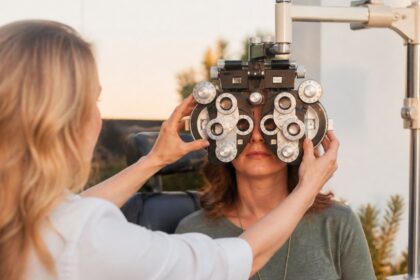
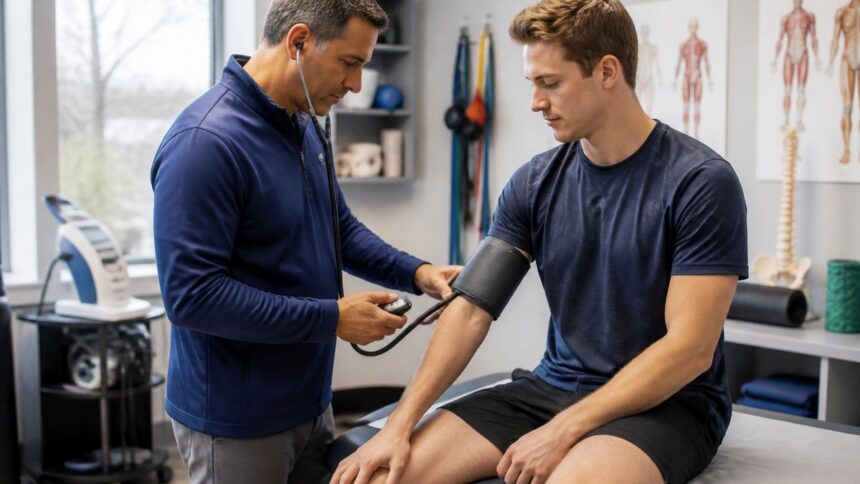
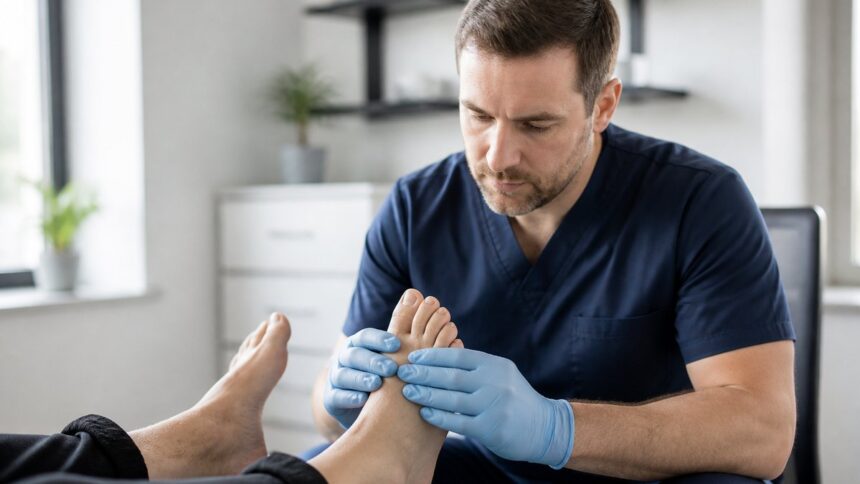
Sports injury diagnosis begins with a physical examination. A specialist reviews the patient’s symptoms and asks about the circumstances of the injury; they then test the affected area for range of motion, swelling, and tenderness. This initial assessment helps narrow potential causes, which guides the next steps in evaluation. Imaging tests for sports injuries may follow the physical exam. Each type of imaging serves a specific diagnostic purpose:
- X-rays: Reveal fractures and bone damage.
- MRIs: Capture detailed images of soft tissue.
- Ultrasound: Assesses muscle tears or fluid buildup in real time.
Some cases require additional diagnostic tests. Specialists combine physical findings with imaging and lab results, and this combined data supports an accurate diagnosis.
How Are Sports Injuries Treated?
Treatment options depend on the injury type, severity, and the patient’s overall health. Physical therapy is standard, and it typically begins soon after the injury is diagnosed. A physical therapist designs a program of targeted exercises that restore strength, flexibility, and function to the injured area. Sessions are gradually adjusted as the patient progresses, which allows the body to heal without risking reinjury.
Steroid injections offer another treatment option; they are particularly useful for inflammation that limits mobility or causes significant pain. These injections deliver medication directly to the affected joint or tissue. Because they help reduce swelling, they can provide relief that lasts for weeks or months. Doctors typically pair injections with a broader recovery plan.
Arthroscopic surgery addresses injuries that don’t respond to conservative treatment. Surgeons insert a small camera, called an arthroscope, through a tiny incision to view the joint directly. This minimally invasive technique allows for precise repair of torn ligaments, damaged cartilage, or other internal injuries, and it may lead to shorter recovery times than traditional open surgery. Since the incisions are small, patients usually experience less tissue damage. Some patients return to activity sooner.
How Is Professional Care Beneficial?
Working with a sports medicine specialist offers advantages beyond the initial diagnosis. Specialists have focused training in musculoskeletal injuries, and this training allows them to identify subtle issues a general practitioner may overlook. Because treatment begins with an accurate diagnosis, patients may recover faster and more effectively.
Professional care also provides structure and accountability throughout recovery; a specialist tracks progress over time and adjusts treatment plans as needed. Warning signs are identified before they develop into more serious complications. Patients who follow a guided recovery plan may regain function more consistently than those who manage injuries without supervision. Specialists also offer long-term value through injury prevention strategies.
Visit a Specialist Today
Sports injuries involve a range of diagnostic tools and treatment options, from physical exams to physical therapy; each method plays a specific role in identifying the problem and restoring function. Specialists bring the training and experience needed to match patients with the right treatment for their particular injury. If you’re dealing with pain, swelling, or limited mobility after physical activity, don’t wait for symptoms to worsen. Schedule a consultation with a sports medicine specialist.