



Knee pain treatment aims to target the specific structures causing discomfort. A focused plan may blend hands-on care, guided exercise, and medical procedures; each element helps reduce pain while protecting the joint. When treatment stays targeted, recovery may be more efficient. Here is more information on the techniques that help enhance recovery:
What Does Knee Pain Treatment Involve?
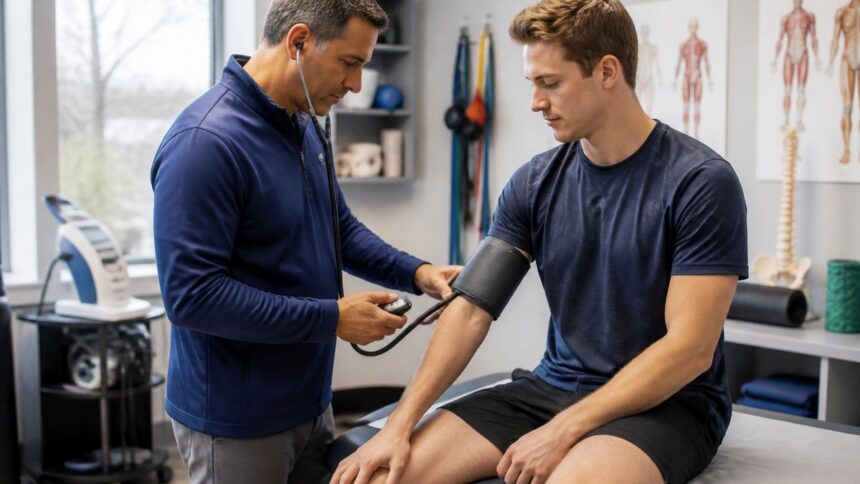
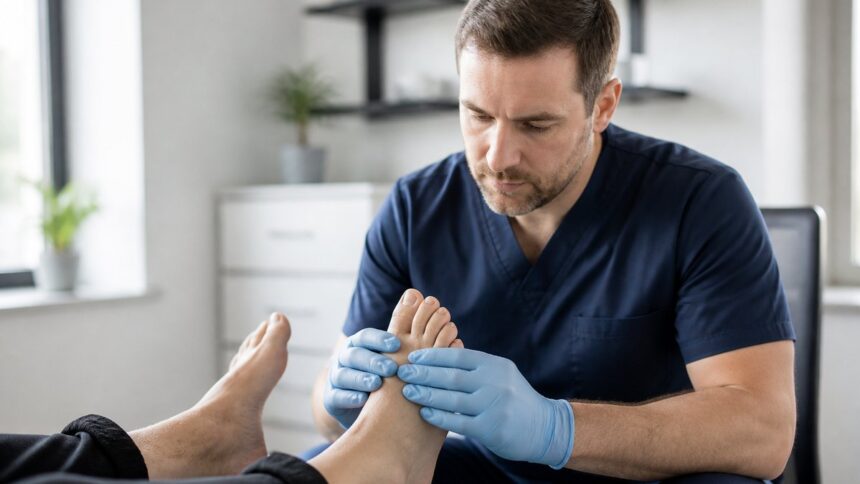
Knee pain treatment usually starts with a detailed assessment, which shapes the plan that follows. A clinician reviews symptoms and activity level, and they may perform physical tests to assess strength, flexibility, and joint stability. Imaging helps narrow down the structures needing the most attention.
Once the cause is clearer, a structured plan brings together different techniques so that each one supports the others. Some people respond to conservative care alone, and others may need a combination of noninvasive and interventional options. The plan adjusts as pain levels, function, and goals change. This flexibility keeps treatment aligned with real progress.
What Are the Different Techniques?
Targeted treatment uses a range of techniques, each addressing the joint from a different angle. Some approaches focus on movement and strength, while others focus on inflammation or damaged tissue. When selected with care, they work together instead of competing.
- Physical therapy: Structured exercises build muscle strength, which helps reduce strain on the joint surfaces.
- Cold laser therapy: Low-level laser devices target a defined area of the knee, influencing local circulation and tissue healing.
- Knee injections: Injections deliver medication directly into or around the joint, focusing on inflammation, lubrication, or tissue irritation.
- Surgery: When structural damage is advanced or conservative care has not reduced symptoms enough, surgery becomes an option.
How Is Recovery Enhanced?
Recovery may improve when treatment is paced correctly. That pacing depends on both tissue healing and daily demands on the knee. A gradual increase in activity allows tissues to adapt, and it also gives the care team feedback on which movements aggravate symptoms. When progress is tracked, adjustments to the plan stay grounded in measurable changes.
Targeted home exercises extend the benefits of in-clinic sessions, and they reinforce new movement patterns throughout the week. Simple routines focusing on hip and core control help reduce stress on the knee. They also support balance so that walking and stairs feel more stable.
Recovery also benefits from attention to joint load throughout the day, including footwear, work tasks, and recreational activities. Small changes in walking surfaces or training volume influence symptoms; these details guide recommendations on pacing and rest. When these lifestyle factors align with the clinical plan, knee pain treatment may lead to long-lasting improvements.
Consult a Specialist Today
A specialist evaluates how your symptoms, imaging, and movement patterns fit together; this evaluation helps separate joint pain from muscle or tendon issues. Targeted treatment follows that assessment. This approach supports a more predictable plan for returning to daily activities. If you experience knee pain and are looking for relief, schedule a consultation at an orthopedic clinic. A healthcare professional can help you improve your quality of life.