


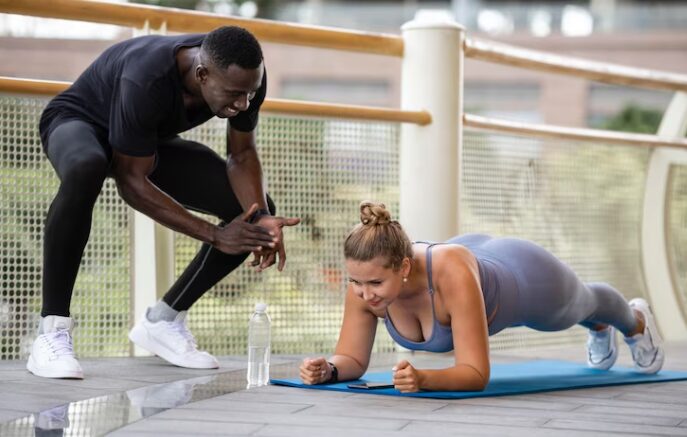

Physical fitness plays an important role in maintaining energy, strength, mobility, and overall health. Regular exercise helps improve the way your body performs daily activities and supports long-term physical well-being. A balanced fitness routine should include exercises that develop cardiovascular endurance, muscle strength, flexibility, and balance.
Whether you are a beginner or already active, choosing suitable exercises and practicing them consistently can help you improve your physical fitness.
1. Walking and Brisk Walking
Walking is one of the easiest ways to begin improving physical fitness. It supports cardiovascular health, strengthens the legs, and helps improve endurance.
Brisk walking increases your heart rate more than casual walking while remaining accessible to many people. You can gradually increase your walking speed, distance, or duration as your fitness level improves.
Useful walking habits include:
- Walking for 20–30 minutes daily.
- Taking short walking breaks during work.
- Walking after meals.
- Using stairs when comfortable.
- Exploring parks or outdoor paths.
2. Running and Jogging
Running and jogging are effective cardiovascular exercises that improve stamina and heart and lung fitness. They can also support calorie expenditure and strengthen the lower body.
Beginners should start with a combination of walking and light jogging. Gradually increase the running duration instead of pushing yourself too hard at the beginning.
Wear comfortable, supportive footwear and choose a safe running surface. Allow enough recovery time between challenging sessions.
3. Strength Training
Strength training helps build and maintain muscle strength. It supports everyday movements, posture, bone health, and physical performance.
Common strength-training exercises include:
- Squats.
- Push-ups.
- Lunges.
- Planks.
- Pull-ups.
- Resistance-band exercises.
- Dumbbell exercises.
You can begin with bodyweight exercises and gradually introduce additional resistance. Focus on proper form and controlled movements to reduce the risk of injury.
4. Cycling
Cycling is a useful cardiovascular activity that strengthens the legs and supports endurance. It can be performed outdoors or on a stationary exercise bike.
Cycling offers several benefits:
- Supports heart health.
- Improves leg strength.
- Helps develop stamina.
- Provides a low-impact movement option.
- Can be used for transportation or recreation.
Adjust the resistance and speed according to your fitness level. Maintain safe cycling practices when exercising outdoors.
5. Swimming
Swimming provides a full-body workout because it involves multiple muscle groups. It can improve cardiovascular endurance, coordination, and muscular stamina.
Water supports the body and reduces some impact on the joints, making swimming a useful option for people who prefer low-impact exercise. Different swimming strokes can target muscles in varied ways.
Start with short sessions and take breaks when needed, especially if you are new to swimming.
6. High-Intensity Interval Training
High-intensity interval training, commonly called HIIT, combines short periods of challenging activity with recovery periods. It can improve cardiovascular fitness and provide an efficient workout.
A beginner-friendly interval routine may include:
- Warm up with light movement.
- Exercise at a challenging pace for a short period.
- Recover with slower movement.
- Repeat the intervals.
- Cool down gradually.
HIIT may not be suitable for everyone. Beginners should start with lower-intensity intervals and adjust the routine according to their abilities.
7. Flexibility and Mobility Exercises
Flexibility and mobility exercises help support comfortable movement and joint function. They are useful additions to strength and cardiovascular training.
Examples include:
- Gentle yoga.
- Shoulder stretches.
- Hip mobility exercises.
- Hamstring stretches.
- Calf stretches.
- Controlled body movements.
Perform stretches gently and avoid forcing your joints into uncomfortable positions. Regular mobility work can be particularly helpful for people who spend long periods sitting.
8. Core Exercises
Core exercises strengthen the muscles around the abdomen, back, and pelvis. These muscles help support posture, balance, and body stability.
Effective core exercises include:
- Planks.
- Bird-dog exercises.
- Dead bugs.
- Glute bridges.
- Modified abdominal exercises.
Start with short sets and focus on maintaining proper technique. Core training should be combined with full-body exercise for balanced physical development.
9. Balance and Coordination Training
Balance exercises improve stability, coordination, and body control. They can be included in fitness routines for people of different ages and abilities.
Useful exercises include standing on one foot, heel-to-toe walking, controlled leg raises, and selected yoga poses. Begin near a stable surface if you need support.
Improving balance can help make everyday movements more comfortable and controlled.
10. Create a Consistent Exercise Plan
A balanced exercise plan combines different forms of physical activity. Adults are generally encouraged to complete at least 150 minutes of moderate aerobic activity each week, alongside muscle-strengthening activities on two or more days, depending on their health and fitness level.
A weekly plan could include:
- Monday: Brisk walking and stretching.
- Tuesday: Strength training.
- Wednesday: Cycling or swimming.
- Thursday: Walking and mobility exercises.
- Friday: Strength training.
- Saturday: Jogging or recreational sports.
- Sunday: Rest or gentle movement.
Adjust the routine based on your schedule, experience, and recovery needs.
Conclusion
Exercises such as walking, running, cycling, swimming, strength training, and flexibility work can improve physical fitness in different ways. A balanced routine supports cardiovascular endurance, muscle strength, mobility, and coordination. Start at a comfortable level, increase activity gradually, and prioritize proper technique and recovery. With regular effort and realistic goals, exercise can become an important part of a healthier and more active lifestyle.