


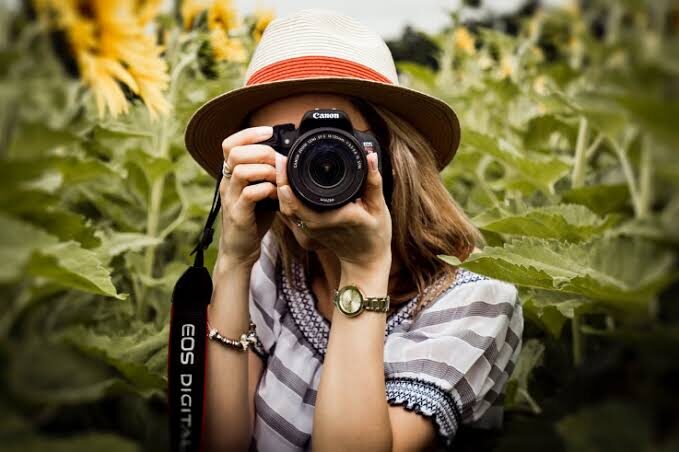

Taking a good photo is not only about having an expensive camera or the latest smartphone. Great photography often comes down to understanding a few simple techniques and paying attention to your surroundings. Whether you enjoy taking pictures with your phone, a digital camera, or a basic point-and-shoot, small changes can make your photos look clearer, more balanced, and more interesting.
If you have ever taken a photo that looked ordinary even though the scene was beautiful, you are not alone. Sometimes the problem is lighting, while other times it may be the angle, composition, focus, or timing. The good news is that these skills can be learned with practice.
In this guide, we will discuss practical tips that can help you capture better photos without making photography complicated.
Understand Your Camera or Phone
Before trying advanced photography techniques, take some time to understand the device you use. Explore the camera settings on your smartphone or camera and learn what each option does.
You should know how to:
- Adjust brightness or exposure
- Focus on a subject
- Use portrait mode
- Turn the flash on or off
- Change the camera lens when available
- Use the timer
- Adjust the aspect ratio
- Use grid lines
You do not need to understand every technical setting immediately. Start with the basic controls and gradually experiment with more options.
Knowing your camera gives you more control and helps you make better decisions when taking pictures.
Pay Attention to Lighting
Lighting is one of the most important parts of photography. Even a simple subject can look attractive when the lighting is good.
Natural light is often a great choice. If you are taking pictures outdoors, early morning and late afternoon can provide soft, pleasant light. During the middle of the day, strong sunlight can create harsh shadows.
When taking indoor photos, try placing your subject near a window. Instead of standing with the window behind the person, position the person so that light falls naturally on their face.
You should also avoid relying on your phone’s flash unless it is necessary. Flash can sometimes create strong highlights and unnatural shadows.
Keep Your Lens Clean
A dirty camera lens can make an otherwise sharp photo look blurry, hazy, or dull. This is particularly common with smartphones because we frequently touch the camera area while holding the phone.
Before taking important pictures, gently clean the lens with a soft microfiber cloth. Avoid using rough materials that could scratch the surface.
This simple habit can make a noticeable difference in photo clarity.
Use the Rule of Thirds
The rule of thirds is a simple composition technique that can make photos look more balanced.
Imagine your image divided into nine equal sections using two horizontal and two vertical lines. Many cameras and smartphones allow you to display these grid lines.
Instead of always placing your subject directly in the center, try positioning it near one of the grid intersections.
For example, if you are photographing a person standing outdoors, placing them slightly to one side can leave some space in the direction they are looking. This can make the image feel more natural.
The rule of thirds is not a strict rule. Once you understand it, you can experiment with other compositions.
Choose a Clear Subject
A strong photo usually has something that immediately attracts the viewer’s attention. Before pressing the shutter button, ask yourself what you want people to notice.
Your subject could be:
- A person
- A pet
- A building
- Food
- A landscape
- A flower
- A vehicle
- A special moment
If everything in the frame competes for attention, the photograph may feel confusing. Try simplifying the scene by changing your position or removing unnecessary objects from the frame.
A clear subject gives your photo a stronger visual message.
Try Different Angles
One of the easiest ways to make ordinary photos more interesting is to change your shooting angle.
Instead of taking every picture from eye level, try:
- Taking the photo from a lower position
- Shooting from above
- Moving closer to the subject
- Stepping farther away
- Photographing from the side
- Taking a picture through an object or doorway
For example, a flower photographed from ground level can look completely different from the same flower photographed from above.
Moving your camera only a few inches can sometimes change the entire composition.
Avoid Digital Zoom When Possible
Digital zoom can reduce image quality because the camera is essentially enlarging part of the image. If your phone has an optical or telephoto lens, use that instead when appropriate.
If you can safely do so, physically move closer to your subject rather than relying heavily on digital zoom.
This can help preserve details and produce a cleaner image.
Hold Your Camera Steady
Camera movement is a common reason photos become blurry. This is especially noticeable when taking pictures in low light.
Hold your phone or camera with both hands when possible. Keep your elbows relatively close to your body and press the shutter gently.
For landscapes, night photography, or long exposures, consider using a tripod or placing the camera on a stable surface.
If your device has a timer, you can also use it to reduce movement caused by pressing the shutter.
Think About the Background
A beautiful subject can lose its impact if the background is distracting.
Before taking the picture, look around the edges of your frame. Check for things such as:
- Clutter
- Bright objects
- Random people
- Poles or wires
- Messy furniture
- Objects appearing to come out of someone’s head
Sometimes you only need to take one or two steps to improve the background.
A simple background can help your main subject stand out.
Use Leading Lines
Leading lines are natural or artificial lines that guide the viewer’s eyes toward a subject.
Roads, bridges, fences, walls, staircases, and paths can all create leading lines.
For example, if you photograph a pathway that leads toward a building, the viewer’s eyes naturally follow the path into the photograph.
Look for these lines when traveling, walking around your neighborhood, or photographing architecture.
Capture People Naturally
When photographing people, avoid making every picture look overly posed. Some of the most memorable portraits happen when people are relaxed and behaving naturally.
Instead of simply asking someone to smile at the camera, talk to them or give them a simple activity. You can capture their expression while they are laughing, walking, talking, or looking away.
Pay attention to the person’s eyes and facial expression. In many portraits, the eyes become the most important part of the image.
Take Multiple Photos
Do not worry about getting the perfect picture on your first attempt. Take several photos from slightly different angles or at different moments.
This is especially useful when photographing:
- Children
- Animals
- Sports
- Events
- Moving subjects
- Group photos
You can review the images later and choose the strongest one.
However, taking many photos should not replace careful observation. Think about the composition before pressing the shutter.
Experiment With Perspective
Photography allows you to show familiar things in unfamiliar ways. Try photographing an everyday object from a perspective people do not normally see.
For example, you might photograph a cup from very close up, capture a building reflected in water, or use a window reflection for a creative portrait.
Perspective can turn a simple subject into something visually interesting.
Edit Photos Carefully
Editing can improve a photograph, but it should not completely change the original image unless that is your creative goal.
Basic adjustments can include:
- Brightness
- Contrast
- Shadows
- Highlights
- Cropping
- Sharpness
- Color balance
Avoid adding too many filters or making colors extremely strong. Heavy editing can make photos look unnatural.
A good approach is to make small adjustments and compare the edited image with the original.
Practice Regularly
The best way to improve photography is to practice. You do not need to travel to famous locations or buy expensive equipment.
Take pictures around your home, neighborhood, workplace, or local park. Give yourself small challenges, such as photographing the same object from five different angles.
You can also study photographs you like and ask yourself why they work. Look at the lighting, composition, colors, background, and subject placement.
Over time, you will begin to recognize good photo opportunities naturally.
Final Thoughts
Learning what tips help capture better photos does not require complicated equipment or professional training. Start by improving the basics: use good lighting, keep your lens clean, choose a clear subject, watch the background, experiment with angles, and keep your camera steady.
Most importantly, develop the habit of observing before taking a picture. Look at the light, surroundings, colors, shapes, and expressions around you. A great photograph often comes from noticing a moment that others might overlook.
With regular practice and a willingness to experiment, your photography skills can improve significantly. Your smartphone or camera is simply a tool—the way you see and capture the world is what makes the photograph special.
Frequently Asked Questions
1. What is the most important tip for taking better photos?
Good lighting is one of the most important factors. Soft, natural light can make subjects look clearer and more attractive. However, composition, focus, and timing are also important.
2. Can I take professional-looking photos with a smartphone?
Yes. Modern smartphones can produce high-quality photographs. Learning how to use lighting, composition, focus, angles, and editing can make a major difference even without an expensive camera.
3. How can I make my photos look less blurry?
Keep your camera steady, make sure your subject is in focus, and use sufficient light. In darker conditions, consider using a tripod or another stable surface.
4. Should I always use the rule of thirds?
No. The rule of thirds is a useful guideline, but it is not mandatory. Centered compositions, symmetry, and other techniques can also create excellent photographs.
5. How can I improve my photography skills?
Practice regularly and experiment with different subjects, lighting conditions, angles, and compositions. Reviewing your photos and identifying what worked or did not work can also help you improve.