

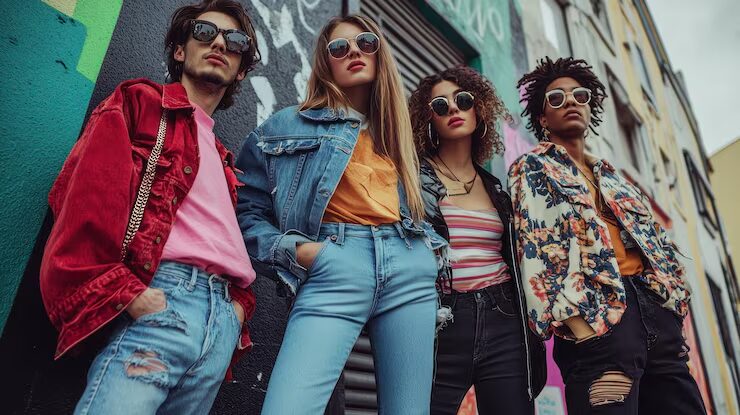

Personal style is an important way to express your personality, preferences, and confidence. The clothes you wear, colors you choose, and way you combine outfits can influence how you present yourself in different situations. However, improving your personal style does not mean following every fashion trend or spending a lot of money on clothing.
Developing a great personal style starts with understanding what suits your lifestyle, body comfort, and individual preferences. Whether you prefer casual outfits, classic fashion, or modern streetwear, small changes can help you create a more polished and consistent appearance.
In this guide, we explore practical ways to improve your personal style and build a wardrobe that reflects your personality.
Why Is Personal Style Important?
Personal style goes beyond wearing fashionable clothing. It involves choosing outfits that make you feel comfortable and express your individuality.
A well-developed personal style can help you:
- Feel more confident in your clothing.
- Create suitable outfits for different occasions.
- Make better purchasing decisions.
- Develop a consistent wardrobe.
- Express your personality through fashion.
You do not need to follow a specific fashion standard. Your style should reflect your preferences while considering the occasion and comfort.
1. Understand Your Personal Preferences
The first step toward improving your style is understanding what you enjoy wearing. Look at your existing wardrobe and identify the colors, fabrics, and clothing styles you choose most often.
Ask yourself a few questions:
- Do I prefer casual or formal clothing?
- Which colors do I feel comfortable wearing?
- Do I enjoy relaxed or fitted clothing?
- What outfits suit my daily activities?
- Which fashion styles inspire me?
You can also explore fashion photographs, magazines, and online inspiration to discover different outfit ideas.
The goal is to identify patterns in your preferences rather than copy someone else’s style completely.
2. Choose Clothing That Fits Comfortably
Clothing fit plays an important role in creating a polished appearance. Even expensive clothing may not look or feel suitable if it does not fit comfortably.
When selecting clothes, pay attention to shoulder placement, trouser length, sleeve length, and overall comfort. The best fit depends on the garment, your preferences, and the look you want to achieve.
Consider these tips:
- Try clothes before purchasing when possible.
- Choose sizes based on the brand’s measurements.
- Avoid clothing that restricts comfortable movement.
- Consider alterations for suitable garments.
- Select fits that match your preferred style.
There is no single correct fit for everyone. Relaxed, oversized, tailored, and fitted styles can all work depending on personal preference.
3. Build a Versatile Wardrobe
A versatile wardrobe makes it easier to create outfits for different situations. Instead of purchasing many items that only work with one outfit, consider choosing pieces that can be combined in multiple ways.
Useful wardrobe essentials may include:
- Plain T-shirts.
- Comfortable trousers.
- Jeans.
- Button-down shirts.
- A versatile jacket.
- Suitable sneakers or formal shoes.
Choose items according to your lifestyle and local climate. For example, lightweight clothing may be useful in warm weather, while layering pieces can support comfort in cooler conditions.
A versatile wardrobe does not need to be large. The focus should be on clothing that you can wear regularly.
4. Learn How to Combine Colors
Color coordination can help you create balanced and attractive outfits. You do not need advanced fashion knowledge to begin experimenting with colors.
Neutral shades such as black, white, navy, beige, and gray are generally easy to combine. You can introduce brighter colors through shirts, accessories, or footwear.
Try these approaches:
- Combine neutral clothing with one brighter color.
- Experiment with similar shades.
- Use accessories to introduce contrast.
- Avoid combining too many competing patterns.
- Choose colors that you personally enjoy.
Lighting, fabric, and personal preference can affect how colors appear. Experiment with different combinations to discover what works for you.
5. Pay Attention to Grooming
Personal style includes more than clothing. Grooming and personal care can also contribute to a neat and well-maintained appearance.
Basic grooming habits may include:
- Keeping hair clean and maintained.
- Practicing regular personal hygiene.
- Caring for your shoes.
- Wearing clean clothing.
- Maintaining a suitable skincare routine.
Your grooming choices should reflect your comfort, preferences, and circumstances. You do not need an expensive routine to maintain a well-presented appearance.
6. Use Accessories Thoughtfully
Accessories can add personality to an outfit and help create different looks using the same clothing.
Common accessories include:
- Watches.
- Belts.
- Bags.
- Sunglasses.
- Scarves.
- Jewelry.
Start with a few items that complement your wardrobe. For example, a simple watch and suitable belt can add detail to a casual or professional outfit.
Avoid feeling pressured to wear accessories simply because they are trending. Choose pieces that are practical and match your personal preferences.
7. Follow Fashion Trends Selectively
Fashion trends can provide inspiration, but you do not need to adopt every popular style. Some trends may suit your preferences, while others may not work for your lifestyle or budget.
When exploring current fashion, consider whether a piece is:
- Comfortable.
- Suitable for your daily activities.
- Compatible with your existing wardrobe.
- Worth the purchase price.
- Consistent with your personal style.
Combining classic clothing with a few modern pieces can help you experiment without frequently replacing your wardrobe.
8. Dress for Different Occasions
Personal style also involves choosing appropriate clothing for different environments. An outfit that works well for a casual outing may not be suitable for a formal event or professional setting.
Before choosing an outfit, consider the occasion, location, weather, and expected dress code.
For example:
- Casual outing: Comfortable trousers, a T-shirt, and sneakers.
- Professional setting: A suitable shirt, tailored trousers, and appropriate footwear.
- Formal event: Clothing that follows the event’s dress expectations.
- Outdoor activity: Comfortable clothing suitable for movement and weather conditions.
Planning outfits in advance can help reduce stress and improve confidence.
9. Maintain Your Clothing
Taking care of your clothes helps them remain usable and presentable. Follow care labels, wash garments appropriately, and store clothing in a way that reduces unnecessary damage.
Simple maintenance habits include:
- Cleaning shoes regularly.
- Folding or hanging clothes appropriately.
- Repairing minor damage when practical.
- Following washing instructions.
- Removing clothing that no longer fits your needs.
Maintaining your wardrobe can also help reduce unnecessary spending.
Conclusion
Improving your personal style is a gradual process that involves understanding your preferences, choosing comfortable clothing, and developing a versatile wardrobe. You do not need expensive brands or constant access to fashion trends to dress well.
Focus on suitable fits, balanced colors, thoughtful accessories, and appropriate outfits for different occasions. Experiment with new combinations while maintaining the clothing styles you enjoy.
With consistent attention to your wardrobe and personal preferences, you can develop a style that reflects your personality, supports your lifestyle, and helps you feel more confident in everyday situations.