


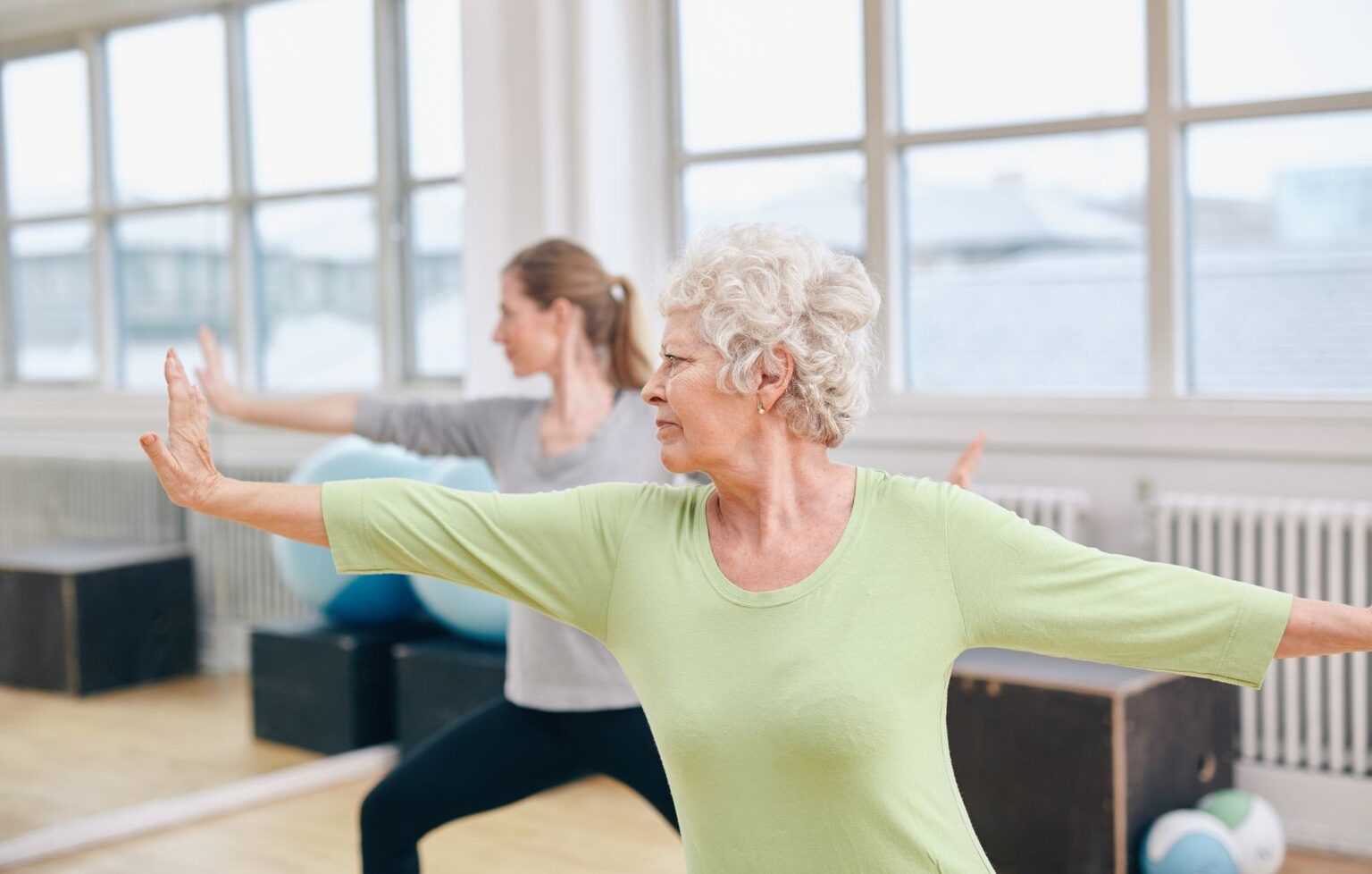

Regular exercise is one of the most effective ways to support a healthy and active lifestyle. Physical activity helps improve muscle strength, heart health, flexibility, balance, and overall energy. It can also support mental well-being and help people manage daily stress.
A healthy exercise routine does not need to be complicated. Combining different types of movement and choosing activities that match your fitness level can help you stay consistent and achieve long-term benefits.
1. Walking for Everyday Fitness
Walking is a simple, accessible exercise suitable for many fitness levels. It supports cardiovascular health, improves circulation, and helps maintain mobility.
You can include walking in your daily routine by:
- Taking a walk in the morning or evening.
- Walking to nearby locations.
- Taking short breaks during work.
- Walking after meals.
- Exploring parks or outdoor areas.
Start with a comfortable distance and gradually increase your walking time as your fitness improves.
2. Strength Training for Strong Muscles
Strength training helps develop and maintain muscle strength. It also supports bone health, balance, posture, and everyday physical performance.
Common strength exercises include:
- Squats.
- Push-ups.
- Lunges.
- Planks.
- Resistance-band exercises.
- Dumbbell exercises.
Beginners can start with bodyweight exercises and light resistance. Focus on proper technique and increase difficulty gradually. Allow muscles enough time to recover between demanding workouts.
3. Cardiovascular Exercises
Cardiovascular exercises increase your heart rate and help improve heart and lung fitness. They can also support endurance and energy levels.
Popular cardio activities include:
- Cycling.
- Swimming.
- Jogging.
- Dancing.
- Brisk walking.
- Using an elliptical machine.
Adults are generally advised to complete at least 150 minutes of moderate-intensity aerobic activity each week, or an equivalent amount of vigorous activity, depending on their abilities and health needs.
Choose activities you enjoy to make regular exercise easier to maintain.
4. Stretching and Flexibility Exercises
Flexibility exercises help maintain a comfortable range of motion and support mobility. Stretching can be especially useful for people who sit for long periods.
Examples include:
- Shoulder stretches.
- Hamstring stretches.
- Calf stretches.
- Hip stretches.
- Gentle yoga movements.
- Back mobility exercises.
Move slowly and avoid bouncing during stretches. Stretching should create gentle tension rather than sharp pain.
5. Balance Exercises
Balance exercises help improve stability and body control. They can be particularly useful for older adults and people who want to improve coordination.
Simple balance exercises include:
- Standing on one foot while holding a stable surface.
- Heel-to-toe walking.
- Gentle yoga poses.
- Controlled leg raises.
- Sit-to-stand movements.
Begin with support nearby and choose a safe environment. Increase difficulty only when you feel comfortable.
6. Core-Strengthening Exercises
The core muscles support the spine, posture, and many everyday movements. Strengthening the core can improve stability and movement control.
Useful core exercises include:
- Planks.
- Bird-dog exercises.
- Dead bugs.
- Glute bridges.
- Modified abdominal exercises.
Perform each exercise with controlled movements. Avoid sacrificing proper form to complete more repetitions.
7. Low-Impact Exercises
Low-impact activities place less stress on the joints and may be suitable for beginners or people who find high-impact exercise uncomfortable.
Examples include:
- Swimming.
- Water aerobics.
- Stationary cycling.
- Gentle walking.
- Low-impact aerobics.
- Elliptical training.
The most suitable activity depends on your fitness level, mobility, and individual health needs. If you experience joint pain or have a medical condition, seek professional guidance.
8. Exercise for Mental Well-Being
Exercise supports physical health and may also improve mood, reduce stress, and support better sleep. Activities such as walking outdoors, yoga, cycling, and dancing can provide both physical and mental benefits.
Choose exercises that you find enjoyable rather than treating physical activity as a punishment. Enjoyable activities are often easier to continue over time.
9. Create a Balanced Workout Routine
A balanced fitness routine should include different types of exercise. Combining cardio, strength training, flexibility, and balance activities can help support overall physical fitness.
A simple weekly routine might include:
- Monday: Brisk walking and light stretching.
- Tuesday: Strength training.
- Wednesday: Cycling or swimming.
- Thursday: Walking and flexibility exercises.
- Friday: Strength training.
- Saturday: Outdoor activity or dancing.
- Sunday: Rest or gentle movement.
Adjust this example according to your schedule, fitness level, and recovery needs.
10. Exercise Safely and Consistently
Safety is an important part of any exercise program. Warm up before demanding activity, use proper technique, stay hydrated, and increase intensity gradually.
Stop exercising if you experience chest pain, severe dizziness, or unusual breathing difficulties, and seek appropriate medical assistance. Persistent pain should also be evaluated by a healthcare professional.
Consistency is more important than completing difficult workouts occasionally. Start with realistic goals and gradually build your routine.
Conclusion
Walking, strength training, cardio, stretching, balance exercises, and core workouts can all support a healthy body. The best exercise routine combines different activities while considering your fitness level and personal needs. By exercising regularly, recovering properly, and following safe techniques, you can improve strength, endurance, flexibility, and overall well-being. Small, consistent efforts can help you maintain a more active and healthier lifestyle.