


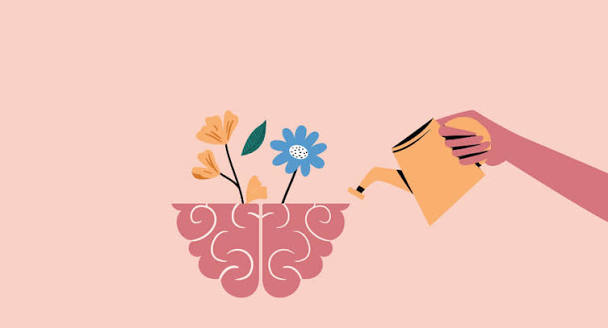

Mental health is an essential part of overall wellbeing, influencing how we think, feel, behave, and respond to everyday challenges. In a busy world, work responsibilities, financial concerns, relationships, and academic pressure can affect emotional balance. Developing healthy daily habits can help support mental wellness and improve the way you manage life’s challenges.
Better mental health does not require a perfect lifestyle or constant happiness. Instead, it involves building sustainable routines, recognizing your emotional needs, and finding healthy ways to cope with stress. Small, consistent changes can contribute to a more balanced and fulfilling life.
In this guide, we explore practical habits that support better mental health and explain how you can incorporate them into your daily routine.
Why Are Mental Health Habits Important?
Mental health habits are regular activities and behaviors that support emotional wellbeing and healthy coping. They can help you manage everyday pressure, maintain relationships, and develop greater awareness of your needs.
Positive habits may include:
- Getting sufficient sleep.
- Staying physically active.
- Maintaining social connections.
- Practicing relaxation techniques.
- Eating balanced meals.
- Setting realistic personal goals.
These habits are not a substitute for professional mental health treatment, but they can form part of a broader approach to wellbeing.
1. Maintain a Consistent Sleep Schedule
Sleep plays an important role in emotional regulation, concentration, and physical recovery. Poor sleep can make it more difficult to manage stress and respond to everyday situations.
Most adults need approximately seven to nine hours of sleep per night, although individual needs vary.
To support healthy sleep habits:
- Go to bed and wake up at consistent times.
- Create a comfortable sleeping environment.
- Reduce stimulating activities before bedtime.
- Avoid caffeine close to bedtime.
- Establish a relaxing evening routine.
If you experience persistent sleep difficulties, consult a qualified healthcare professional.
2. Exercise Regularly
Physical activity supports both physical and mental wellbeing. Exercise can improve mood, support sleep, and provide a healthy way to manage everyday stress.
You do not need to follow an intensive workout program. Activities such as walking, cycling, swimming, yoga, and dancing can be suitable options for many people.
Try including movement in your daily schedule by taking short walks, stretching during breaks, or participating in activities you enjoy.
Adults are generally advised to complete at least 150 minutes of moderate-intensity aerobic activity each week, alongside muscle-strengthening activities on two or more days.
Choose activities that match your fitness level and physical abilities.
3. Practice Mindfulness and Relaxation
Mindfulness involves paying attention to the present moment without judging your thoughts or feelings. It can be practiced through meditation, breathing exercises, or mindful daily activities.
Regular relaxation practices may help some people manage stress and develop greater awareness of their emotional experiences.
You can begin with a few minutes each day:
- Sit in a comfortable position.
- Focus on your natural breathing.
- Notice your thoughts without criticizing yourself.
- Gently return your attention to the present moment.
- Continue for a few minutes at a comfortable pace.
Other relaxation activities include reading, listening to music, spending time outdoors, and practicing creative hobbies.
4. Build Strong Social Connections
Healthy relationships can provide emotional support, companionship, and a sense of belonging. Spending time with people you trust may help reduce feelings of isolation and encourage positive experiences.
Develop stronger social connections by:
- Talking openly with trusted people.
- Listening carefully during conversations.
- Spending quality time with family and friends.
- Joining community or interest-based groups.
- Maintaining respectful personal boundaries.
You do not need a large social circle to experience meaningful relationships. Focus on connections that offer mutual respect and support.
5. Develop Healthy Emotional Awareness
Understanding your emotions can help you recognize stress triggers and identify your needs. Instead of ignoring difficult feelings, try acknowledging them without harsh self-judgment.
Journaling can be a useful way to reflect on your experiences. Write about what you are feeling, what may have contributed to it, and what kind of support or action might help.
You can also ask yourself:
- What situation is affecting my mood?
- What emotions am I experiencing?
- Is there something within my control?
- Would talking to someone be helpful?
Emotional awareness develops gradually and does not mean you must manage every feeling on your own.
6. Set Realistic Goals
Unrealistic expectations can contribute to frustration and unnecessary pressure. Setting achievable goals can help you organize your responsibilities and recognize progress.
Break larger tasks into smaller steps and prioritize what matters most. Avoid comparing your progress constantly with other people.
For example, instead of setting a goal to completely change your lifestyle in one week, choose one manageable habit, such as taking a short daily walk or spending 10 minutes on a relaxing activity.
Remember that progress may include rest, adjustments, and learning from setbacks.
7. Limit Excessive Screen Time
Digital devices can support communication, education, and entertainment. However, excessive or unbalanced screen use may interfere with sleep, physical activity, and personal interactions.
Develop healthier digital habits by:
- Taking regular breaks from screens.
- Reducing unnecessary notifications.
- Avoiding excessive social media scrolling.
- Keeping devices away during important conversations.
- Creating a relaxing routine before bedtime.
You do not need to eliminate technology. Instead, aim for a balance that supports your daily responsibilities and wellbeing.
8. Seek Professional Support When Needed
Healthy habits can support mental wellbeing, but they cannot address every mental health concern. If you experience persistent sadness, anxiety, overwhelming stress, or difficulties managing daily activities, professional support may be beneficial.
A qualified mental health professional can help you understand your experiences and explore appropriate treatment or coping strategies.
Reaching out for help is a practical step toward taking care of your mental health.
Conclusion
Developing habits that support better mental health involves caring for your body, managing stress, maintaining relationships, and understanding your emotional needs. Consistent sleep, regular exercise, mindfulness, realistic goals, and social connections can all contribute to a healthier lifestyle.
You do not need to adopt every habit immediately. Start with small, manageable changes and discover which routines work best for you. By prioritizing mental wellness and seeking support when necessary, you can build a more balanced approach to everyday life.