


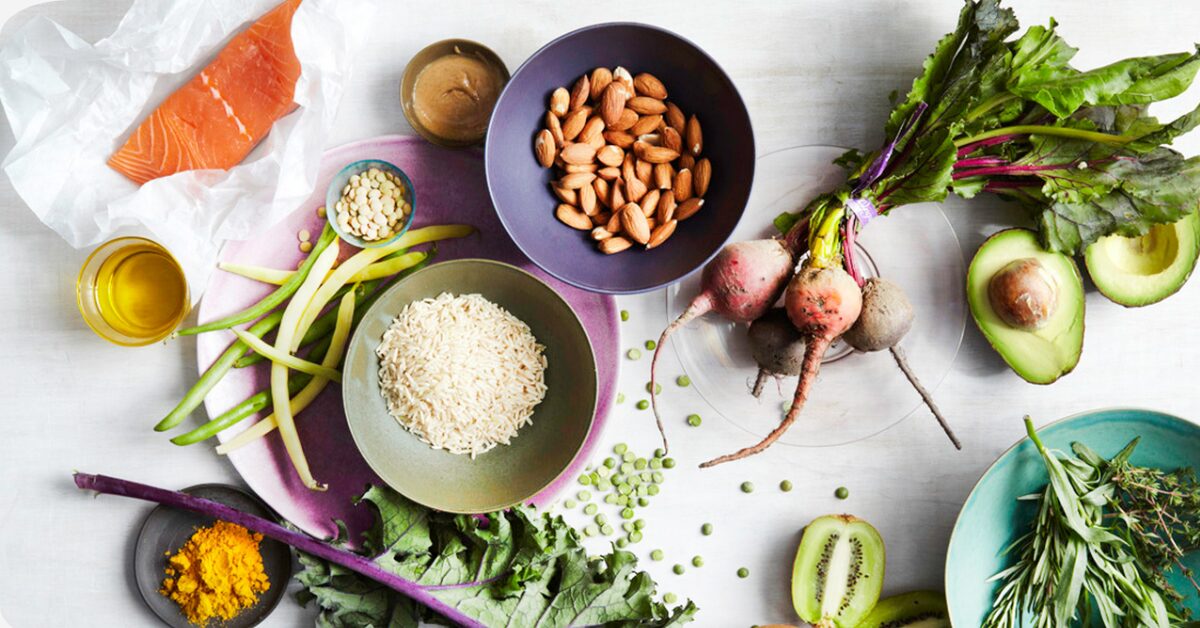

Maintaining a healthy lifestyle starts with the food we eat every day. A balanced diet provides the energy and nutrients your body needs to function properly, support physical health, and maintain overall wellbeing. While no single food can provide everything your body needs, combining different food groups can help you develop healthier eating habits.

Whether you want to improve your energy levels, support your immune system, or maintain a balanced diet, understanding nutritious food choices is an important first step. In this guide, we explore the foods that support a healthy lifestyle and how you can include them in your daily meals.
Why Is Healthy Food Important?
Food provides essential nutrients that support your body’s everyday functions. A balanced eating pattern can help maintain energy, support normal growth and repair, and contribute to long-term health.
A nutritious diet generally includes a variety of:
- Fruits and vegetables
- Whole grains
- Protein-rich foods
- Healthy fats
- Dairy products or suitable alternatives
Your nutritional needs depend on factors such as age, activity level, and individual health requirements. Eating a variety of foods helps you obtain different essential nutrients.
1. Include More Fruits and Vegetables
Fruits and vegetables are important components of a balanced diet. They provide vitamins, minerals, fiber, and other beneficial plant compounds.
Different fruits and vegetables contain different nutrients, so eating a variety of colors can help diversify your food choices.
Healthy Fruits to Include
Some nutritious options include:
- Apples
- Bananas
- Oranges
- Berries
- Mangoes
- Pears
Fruits can be enjoyed as snacks, added to breakfast, or included in smoothies. Whole fruits generally provide more fiber than fruit juice.
Nutritious Vegetables
Consider including vegetables such as:
- Spinach
- Carrots
- Broccoli
- Tomatoes
- Bell peppers
- Cabbage
You can add vegetables to soups, salads, sandwiches, and main meals. Fresh, frozen, and appropriately prepared canned vegetables can all contribute to a healthy diet.
2. Choose Whole Grains for Better Nutrition
Whole grains contain the bran, germ, and endosperm, providing fiber and other nutrients. They can be part of a balanced eating pattern and may support digestive health.
Examples of whole-grain foods include:
- Oatmeal
- Brown rice
- Whole-wheat bread
- Barley
- Whole-grain pasta
- Quinoa
Try replacing some refined grain products with whole-grain alternatives. For example, you can enjoy oatmeal for breakfast or choose brown rice with vegetables and protein for lunch.
The best choices depend on your preferences, budget, and dietary needs.
3. Eat Protein-Rich Foods
Protein helps the body build and repair tissues and supports the maintenance of muscles and other structures. Including different protein sources in your diet can help you meet your nutritional needs.
Animal-Based Protein Sources
Examples include:
- Eggs
- Fish
- Chicken
- Yogurt
- Lean meats
Fish varieties such as salmon and sardines also provide omega-3 fatty acids, which support normal body functions.
Plant-Based Protein Sources
Plant-based options include:
- Lentils
- Beans
- Chickpeas
- Tofu
- Nuts
- Seeds
Combining protein-rich foods with vegetables and whole grains can create balanced and satisfying meals.
4. Include Healthy Fats in Your Diet
Fat is an essential nutrient that supports energy production, cell function, and the absorption of certain vitamins. The type of fat you consume matters.
Unsaturated fats are found in foods such as:
- Avocados
- Olive oil
- Almonds
- Walnuts
- Seeds
- Fatty fish
These foods can be included in moderate amounts as part of a balanced diet.
It is also useful to limit excessive consumption of foods high in saturated and trans fats, following established dietary recommendations.
5. Drink Enough Water Every Day
Water is essential for maintaining hydration and supporting important bodily functions. Your fluid requirements vary depending on temperature, activity, diet, and other personal factors.
Make water your regular drink throughout the day. You can also obtain fluids from foods such as fruits, vegetables, and soups.
Helpful hydration habits include:
- Carrying a reusable water bottle.
- Drinking water with meals.
- Drinking more fluids during physical activity when needed.
- Paying attention to thirst and environmental conditions.
People with specific medical conditions may have individual fluid recommendations from their healthcare provider.
6. Reduce Excessive Sugar and Highly Processed Foods
You do not need to completely eliminate your favorite foods to eat healthily. However, consuming large amounts of foods and drinks high in added sugars, sodium, or unhealthy fats may make it harder to maintain a balanced diet.
Consider limiting frequent consumption of:
- Sugary soft drinks
- Highly processed snack foods
- Excessively salty foods
- Foods with high amounts of added sugar
Instead, choose nutrient-rich foods more often while enjoying treats in moderation.
Reading nutrition labels can help you compare products and understand their ingredients.
7. Plan Balanced Meals
Meal planning can make healthy eating easier and more convenient. Preparing meals in advance may help you avoid relying on less nutritious options when you are busy.
A balanced meal could include:
| Food Group | Example |
|---|---|
| Protein | Grilled chicken, beans, or lentils |
| Vegetables | Broccoli, carrots, or spinach |
| Whole Grains | Brown rice or whole-wheat bread |
| Healthy Fats | Olive oil or avocado |
| Fruit | Apple, orange, or berries |
You can adjust these choices based on your dietary preferences and nutritional needs.
Conclusion
Choosing nutritious foods is an important part of maintaining a healthy lifestyle. Fruits, vegetables, whole grains, protein-rich foods, healthy fats, and water all contribute to a balanced eating pattern.
Instead of focusing on restrictive diets or quick results, develop practical eating habits that you can maintain over time. Plan balanced meals, explore different ingredients, and enjoy a variety of foods. With consistent choices and an approach suited to your needs, healthy eating can become a sustainable part of everyday life.